SpineML: Factory Layout & Job Shop Optimization
A Python toolkit designed to optimize factory layout planning (FLP) and job shop scheduling (JSS) through advanced layout modeling and simulation.
Technology Readiness Level
Technology Validated in Lab
Key components and software architecture modules are integrated and tested together in a controlled laboratory environment, establishing that disparate elements work together to achieve baseline performance.
Framework alignment: Standardized 9-level TRL (NASA / EU Horizon Europe).
Core Challenge
Industrial factory layout planning (FLP) and job shop scheduling (JSS) are complex combinatorial problems with high coordination effort and planning overhead.
System Architecture
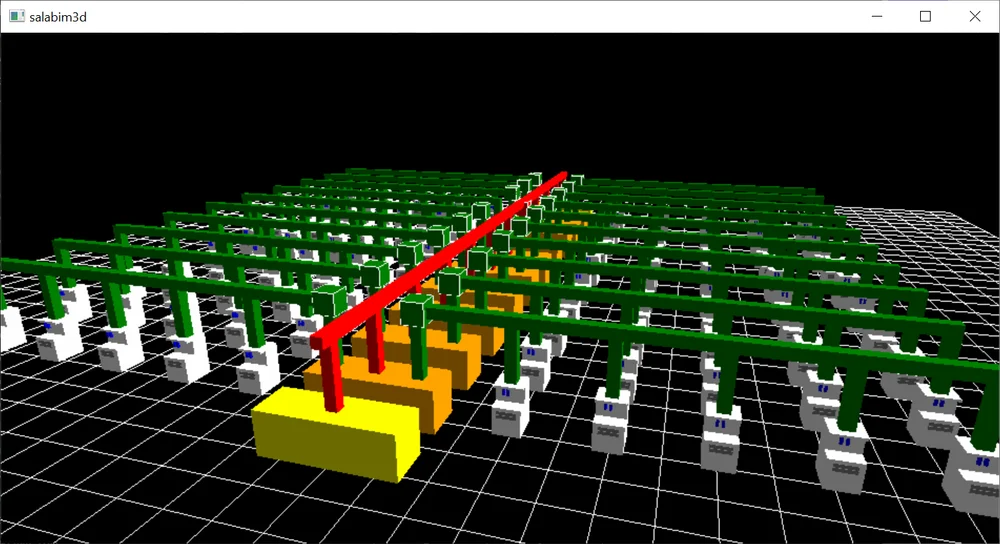
A Python-based toolkit for spine layout modeling, discrete-event simulation, and optimization of manufacturing systems and material transport.
Key Capabilities
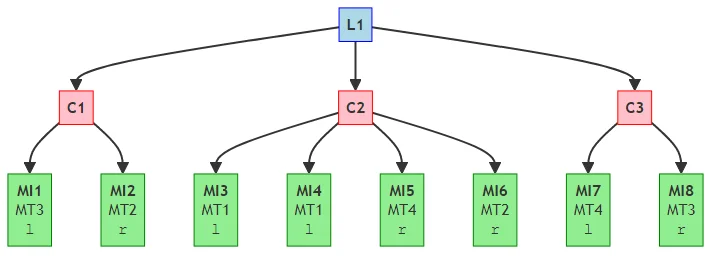
- Spine Layout Modeling: Formal modeling of factory architectures with a central transport spine and perpendicular side ribs.
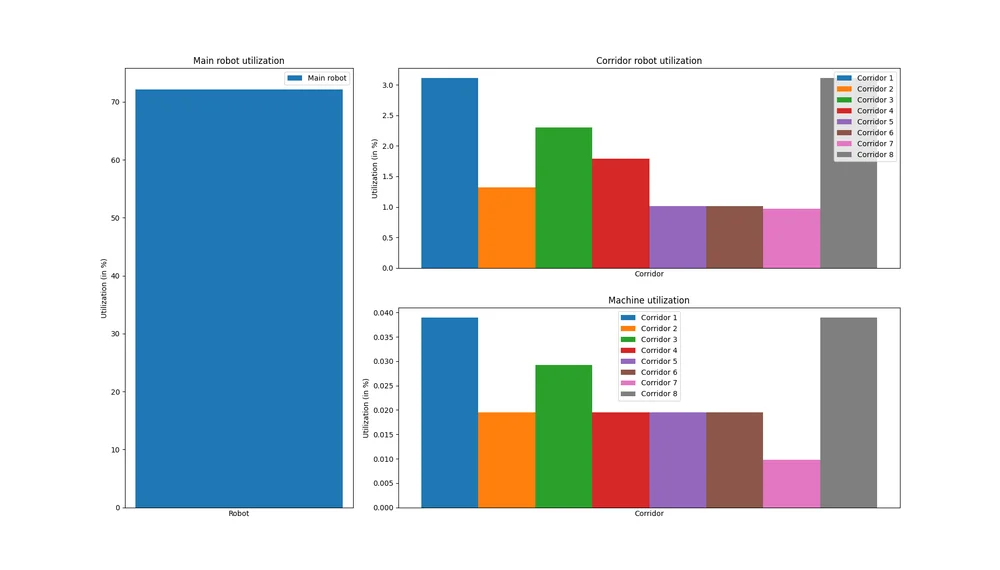
- Discrete-Event Simulation: Performance evaluation of material flow, robot transport corridors, and machine buffer stations.
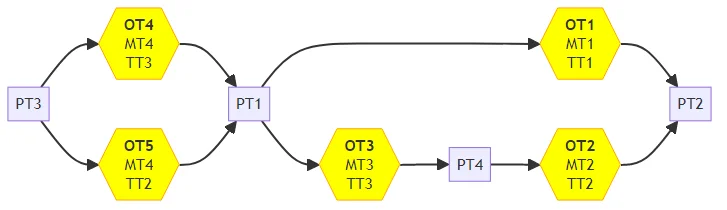
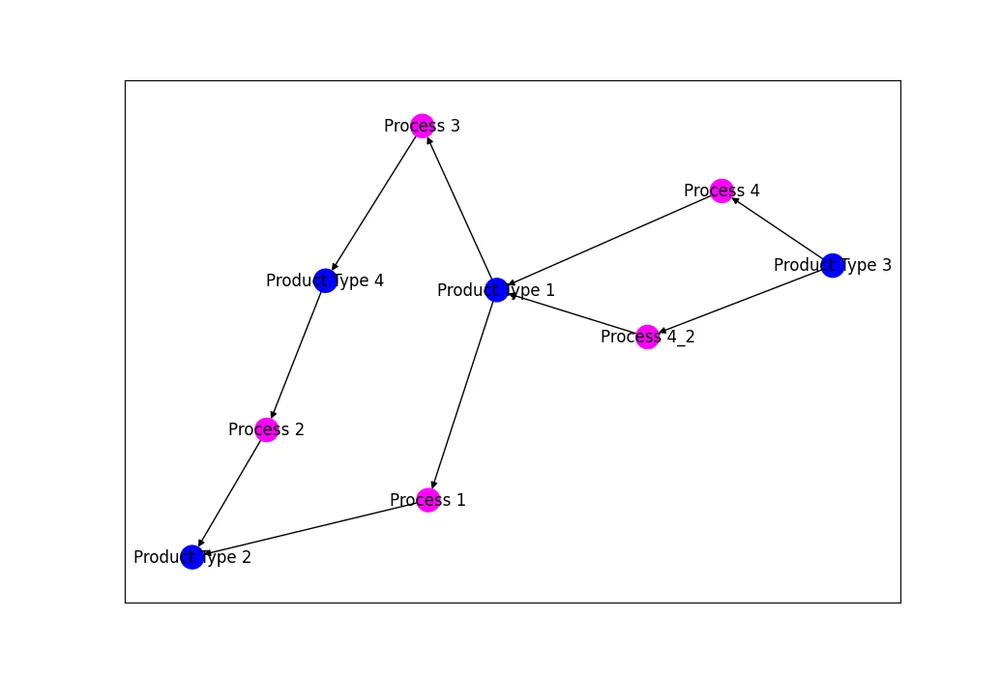
- Bottleneck Optimization: Algorithmic derivation of optimal job routing, scheduling strategies, and machine utilization.
- Modular Python Toolkit: Extensible open-source architecture allowing rapid exploration of factory layout design spaces.
Technology Stack
- Core Language & Modeling: Python, Spine Layout Architecture, Domain Modeling
- Simulation & Operations: Discrete-Event Simulation, Material Flow Analysis, Job Shop Scheduling
Verifiable Outcomes
- Presented and published at the CIRP Conference on Manufacturing Systems (CIRP-CMS 2025).
- Open-source Python toolkit available on GitHub (github.com/ghackenberg/SpineML).
- Proven methodology for optimizing machine utilization and factory logistics throughput.