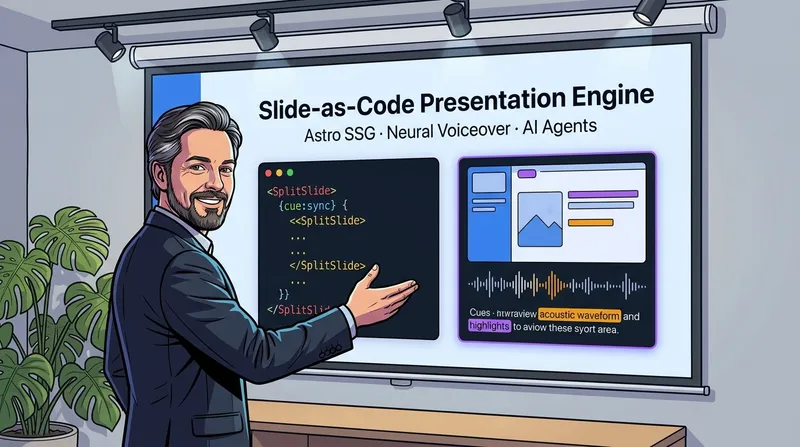
Slide-as-Code: Interaktive Präsentationen mit Astro
Wie wir eine maßgeschneiderte Slide-as-Code Presentation Engine mit synchronisiertem Neural-Voiceover, Astro-Integration und KI-Agenten-Workflows bauten.
Insights, development logs, sketches, and tutorials covering ultimate usability design, graphics engine development, software systems, and mechatronics workbench engineering.
Wie wir eine maßgeschneiderte Slide-as-Code Presentation Engine mit synchronisiertem Neural-Voiceover, Astro-Integration und KI-Agenten-Workflows bauten.
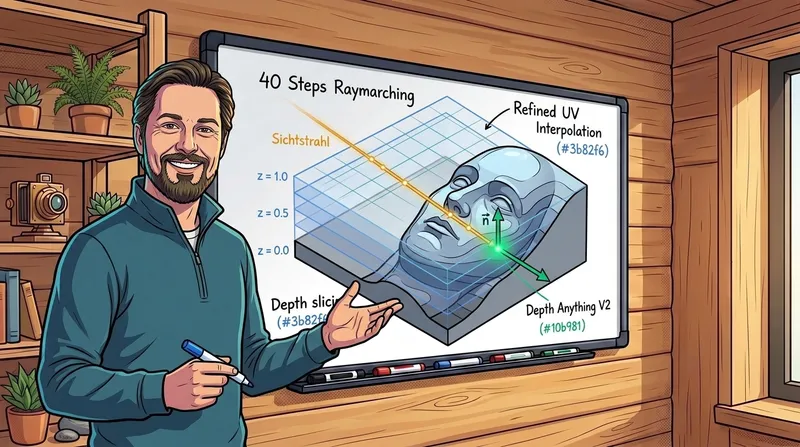
Wie wir ein reales Porträtfoto über Gemini, Inpainting und Depth Anything V2 in ein lebendiges WebGL-POM-Gesicht mit adaptiver Mimik-State-Machine verwandelt haben.
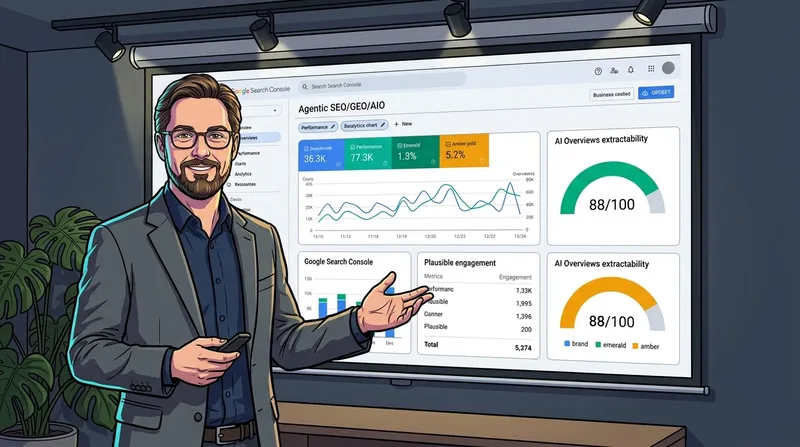
Wie wir mit einem Custom MCP Server für Google Search Console und Plausible Analytics eine geschlossene Agenten-Optimierungs-Schleife für GEO und AIO bauten.
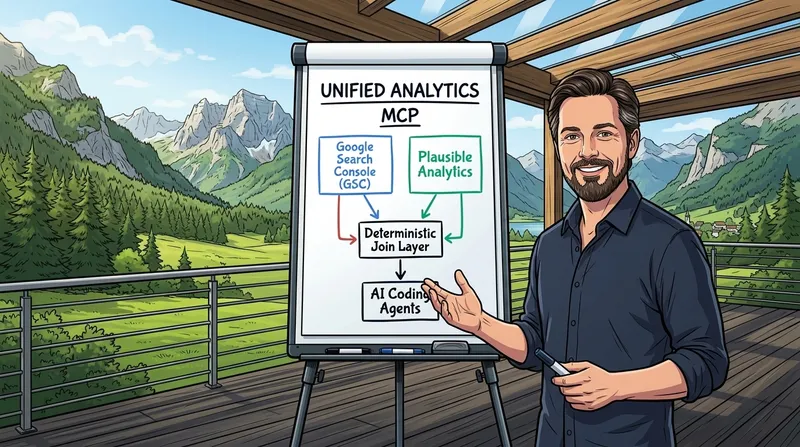
Datengestützte Content-Optimierung im Zeitalter von KI-Suchmaschinen: Warum isolierte Web-Analytics versagen, wie unser nativer Model Context Protocol (MCP) Server Google Search Console und Plausible deterministisch zusammenführt, und wie Coding-Agenten Seiten vollautomatisch auditieren.

Technische Schaubilder ohne Client-Overhead: Warum clientseitiges Mermaid das Web verlangsamt, wie unsere Build-Time-Pipeline mit Puppeteer und Astro Remark funktioniert, und wie maschinenlesbare Topologien modernen KI-Suchmaschinen (GEO/AIO) den Weg weisen.
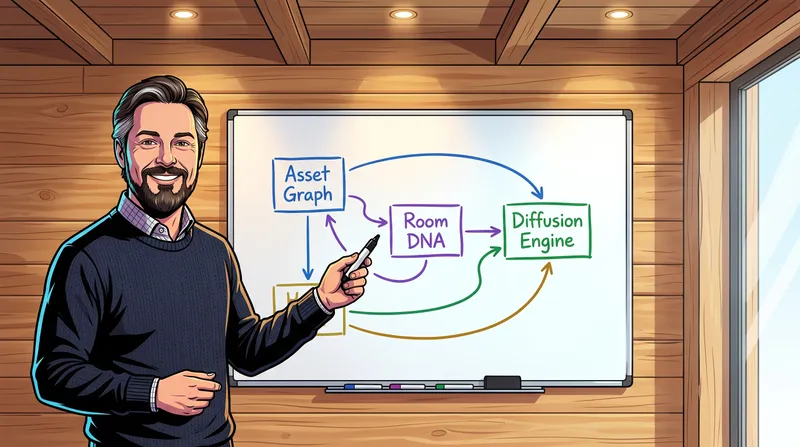
Wie wir mit Relational Libraries, Character Slots und Room DNA konsistente Disney/Pixar-Illustrationen für Fachartikel deterministisch generieren.
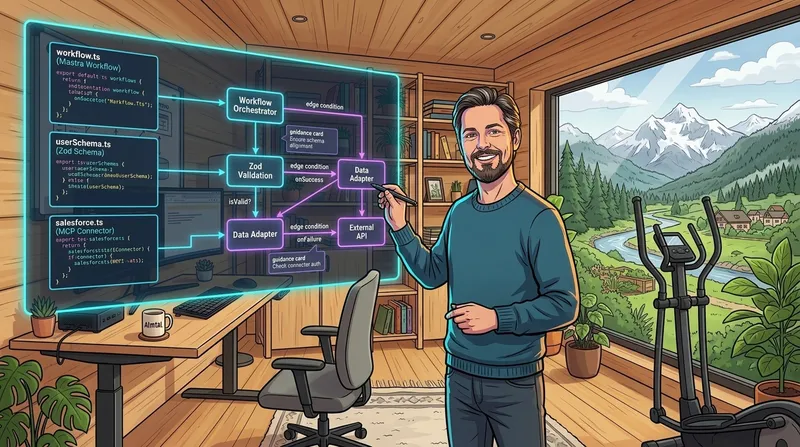
Die ingenieurwissenschaftliche Brücke von Google Research zu moderner Enterprise-Software: Wie Entwickler das Paper 'Procedural Graphs' (arXiv:2609.09153) auf Basis des TypeScript-Frameworks Mastra technisch implementieren – inklusive Zod-Schemas für Kantenattribute, Runtime Soft Guidance, MCP-Integration und Offline-Evolution mit Rejection Memory.
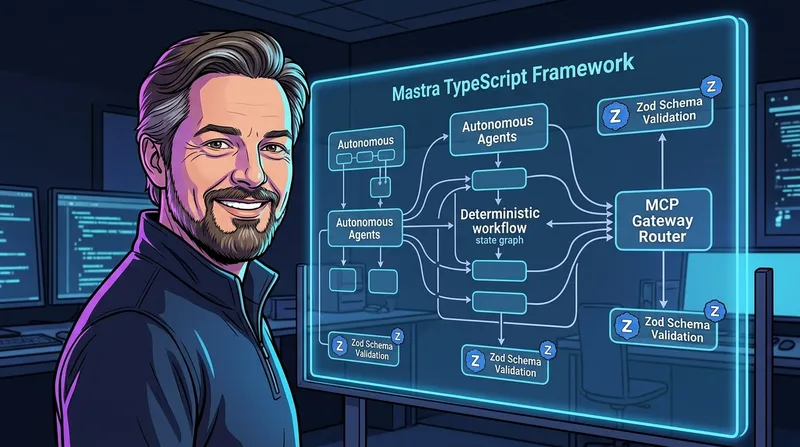
Tiefgehende Architekturanalyse des Mastra-Frameworks: Typsichere Workflows, RAG-Pipelines, Tool-Calling und deterministische KI-Agenten in TypeScript.
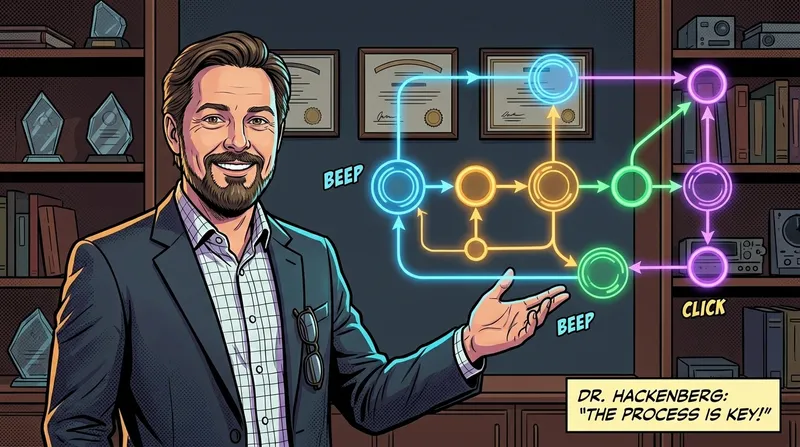
Über 80 % agentischer Pilotprojekte scheitern am Übergang in den Produktivbetrieb: Entweder driften ungebundene LLM-Agenten bei repetitiven Vorgängen ab, oder starre RPA-Workflows ersticken die Flexibilität. Eine ingenieurwissenschaftliche Analyse des Google-Frameworks Procedural Graphs (arXiv:2609.09153): Wie Unternehmen Standard Operating Procedures (SOPs) in selbstlernende Wissensgraphen überführen, Qualität sichern, Kosten senken und Mitarbeiter nachhaltig entlasten.
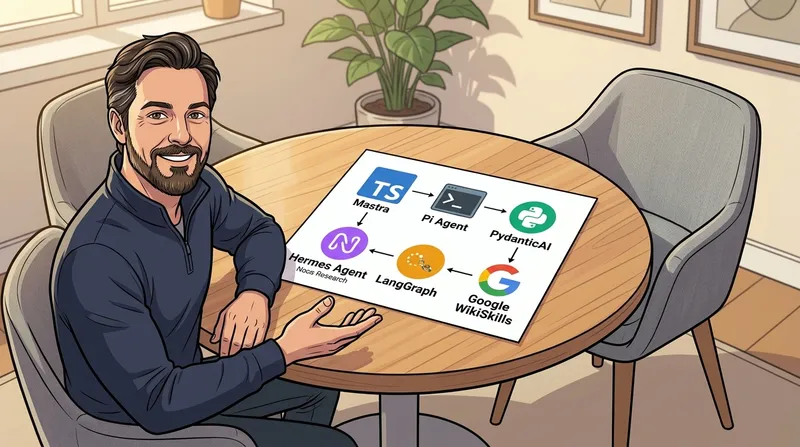
Wie lässt sich das WikiSkill-Paradigma (Inference → Tracing → Wiki Maintenance → Skill Synthesis → Gating) in Software gießen? Ein fundierter Technologie- und Architektur-Vergleich zwischen Mastra, Pi Agent, PydanticAI, Hermes Agent und LangGraph für Web-, CLI- und Enterprise-Ökosysteme.

Eine softwaretechnische Vergleichsanalyse: Die pragmatische Runtime-Kuratierung des Hermes Agent trifft auf die formale 3-Schichten-Entkopplung von Google WikiSkills. Wie sich Optimization Amnesia, Progressive Disclosure und Continuous Learning in modernen Enterprise-Architekturen vereinen lassen.
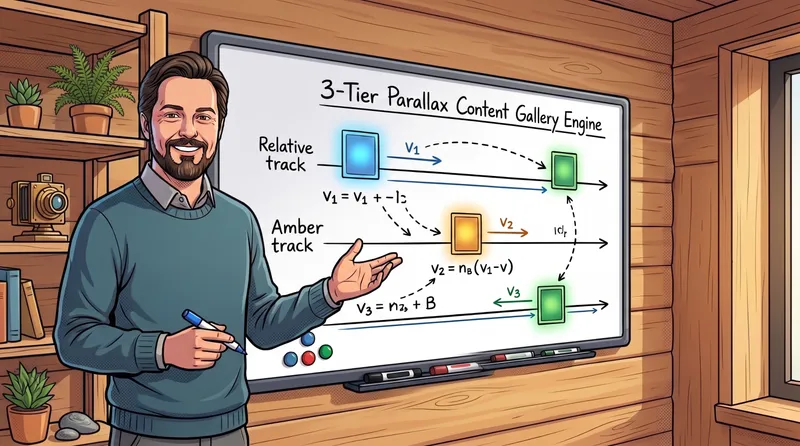
How we engineered a living 3-tier parallax content gallery in Astro and TypeScript featuring optical motion kinematics, zero on-screen duplication, and a two-factor probabilistic selection engine powered by localStorage LRU history tracking.
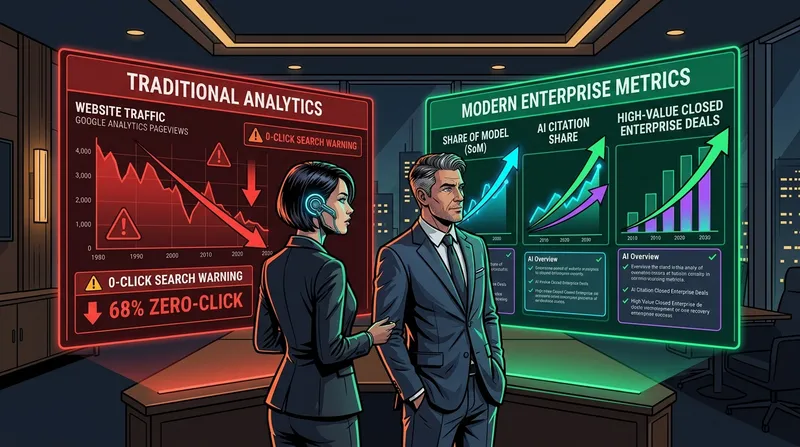
Wenn 68% der Suchen ohne Website-Klick enden: Warum traditionelle KPIs wie PageViews im B2B versagen und wie Unternehmen Share of Model (SoM), Citation Share und Prompt-Audits für die Erfolgsmessung nutzen.
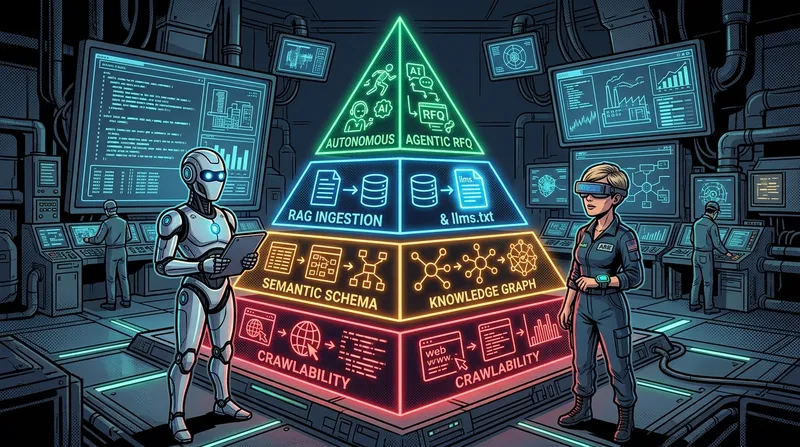
Ein praxisorientiertes 4-Stufen-Reifegradmodell für Industrieunternehmen und technische Mittelständler: Von klassischer SEO-Crawlability über semantische Wissensgraphen bis zur autonomen Interaktion mit KI-Agenten.
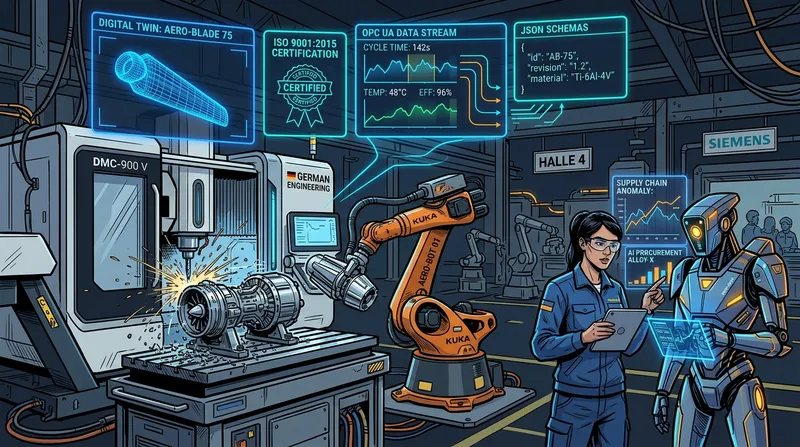
Warum Gated Whitepapers, unstrukturierte PDFs und Werbefloskeln Industrieunternehmen im KI-Zeitalter unsichtbar machen – und wie technische B2B-Anbieter ihre Spezifikationen maschinenlesbar für KI-Einkaufsagenten strukturieren.
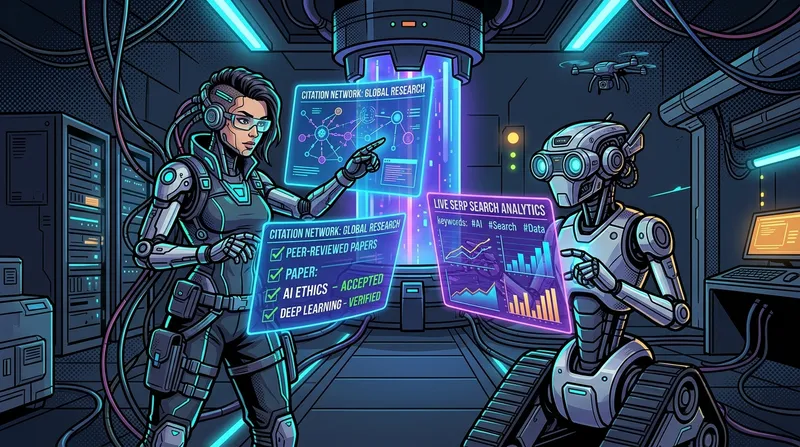
Wissenschaftlich fundierte Synthese empirischer Forschungsergebnisse zu Generative Engine Optimization (GEO) und Answer Engine Optimization (AEO): Peer-Reviewed vs. Non-Peer-Reviewed im kritischen Qualitäts- und Glaubwürdigkeitsvergleich.

Softwaretechnische Analyse von Keycloak: Cloud-native Quarkus-Laufzeit, Token Exchange (RFC 8693) für KI-Agenten, UMA 2.0 und Zero-Trust-Governance.
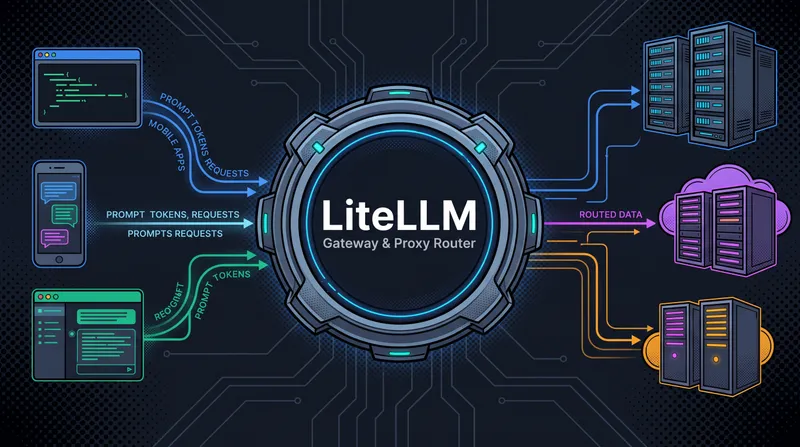
Eine softwaretechnische Tiefenanalyse von LiteLLM: Wie die universelle Abstraktionsschicht 100+ LLMs vereinheitlicht, wie intelligentes Routing und kaskadierende Fallbacks Ausfallsicherheit garantieren, warum Multilevel-Caching Latenzen minimiert und wie Enterprise-Governance via Keycloak und Virtual Keys funktioniert.
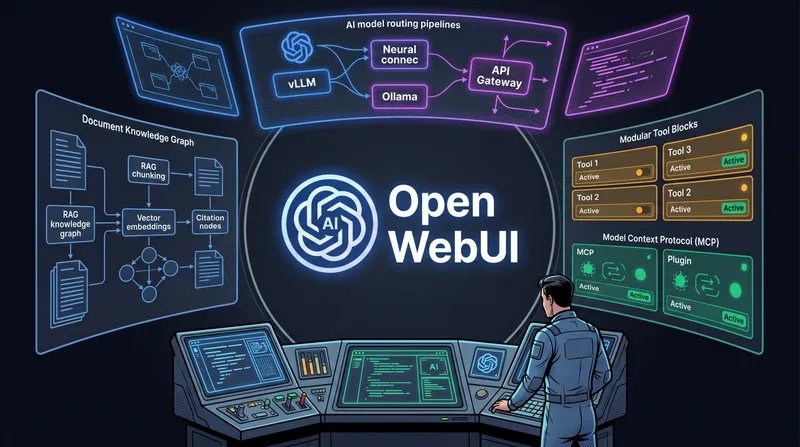
Eine softwaretechnische Tiefenanalyse von Open WebUI: Wie die Entkopplung von SvelteKit und FastAPI echte Multi-Model-Souveränität schafft, warum In-Process Functions externe Pipelines ablösen, wie hybrides RAG mit BM25 und Cross-Encoder Präzision garantiert und welche Rolle die Plattform in Lehre, Forschung und Unternehmen einnimmt.

Eine softwaretechnische Tiefenanalyse des Hermes Agent von Nous Research: Wie die Trennung von Body und Brain echte Modellagnostik schafft, warum Bounded Memory KV-Caches schützt, wie Progressive Disclosure Token spart und wie der Curator Skill Sprawl verhindert.
Eine ingenieurwissenschaftliche Tiefenanalyse zum Problem der 'Optimization Amnesia' bei Agent-Skills: Warum naive Trajektorien-Optimierung versagt, wie die Google-Architektur WikiSkill (arXiv:2608.27454) Wissen persistent von Prozeduren entkoppelt und welche empirischen Benchmarks die Effektivität belegen.
Eine ingenieurwissenschaftliche Analyse des Gedächtnisproblems bei LLM-Agenten: Warum Brute-Force-Kontexte und simples RAG versagen, wie Mem0 das Lifecycle-Problem löst und welche empirischen Benchmarks die Architektur stützen.
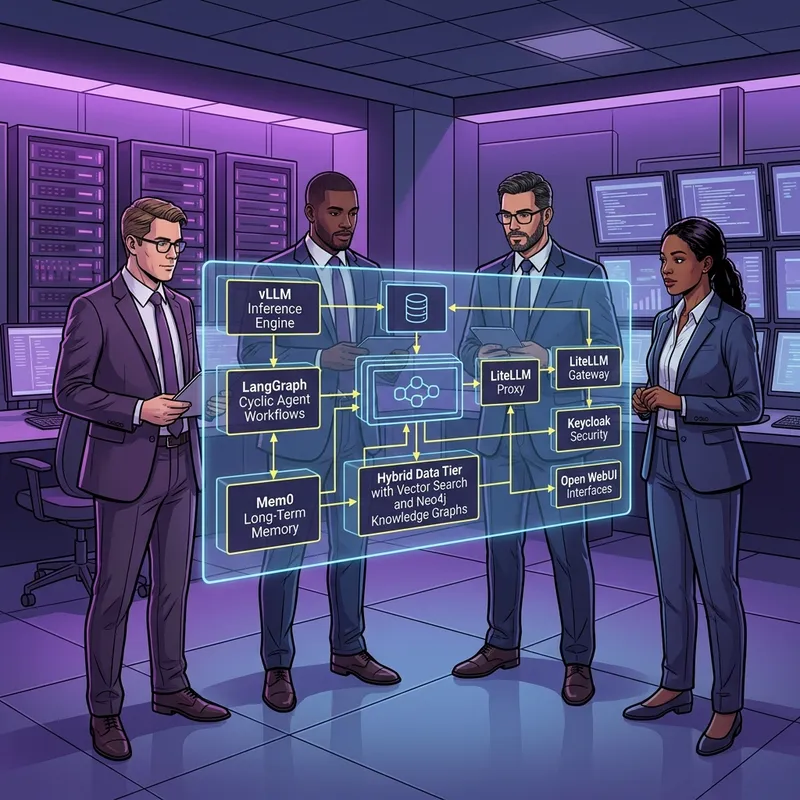
Ingenieurwissenschaftliche Analyse unseres Open-Source Agentic AI Stacks: vLLM, Hermes, LangGraph, Mem0, Neo4j, LiteLLM, Keycloak und Open WebUI.

Wie wir Softwaresysteme, Datenpipelines und KI-Agenten gestalten, die menschliche Kognition nicht ausbeuten, sondern aktiv schützen, entlasten und intentional stärken.
Interdisziplinäre Bestandsaufnahme: Wie Kognitionswissenschaft, Dopamin-Schleifen und Aufmerksamkeitsökonomie moderne Software-Architekturen prägen.
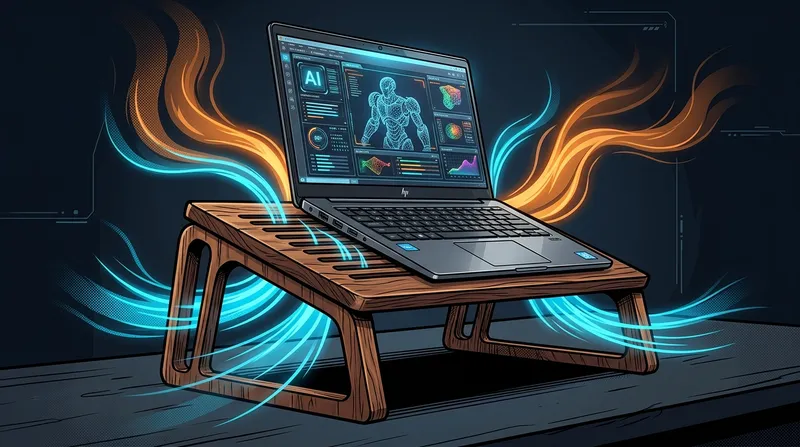
Leichtgewichtiger Holz-Laptopständer mit Kamineffekt: Passive Kühlung für anspruchsvolle GPU-Workstations im eleganten, minimalistischen Naturdesign.
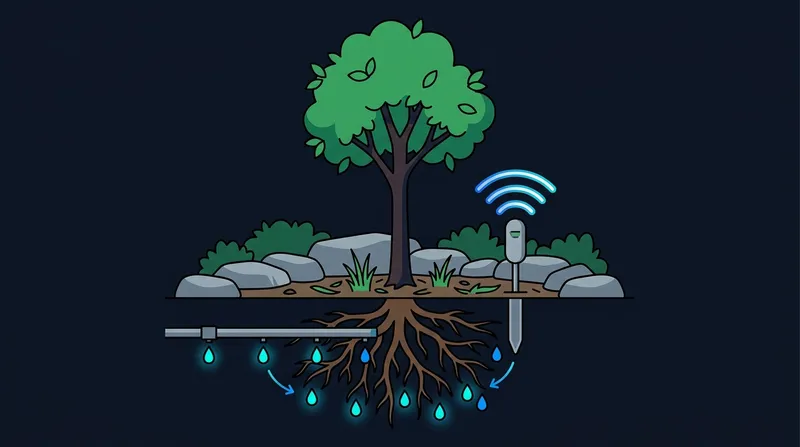
Symbiose aus überbaubarem Baumsubstrat, Tiefenbewässerung und smarter IoT-Sensorik für gesunde Stadtbäume auf versiegelten Pflasterflächen.
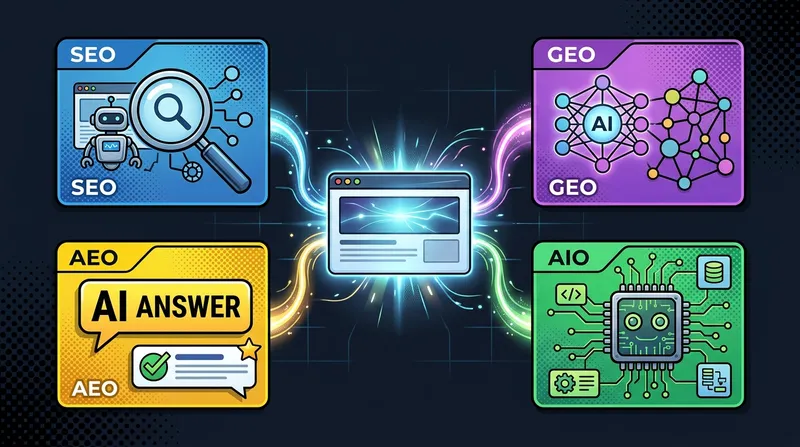
Wie man Websites für traditionelle Suchmaschinen (SEO), Generative Engines (GEO), Answer Engines (AEO) und KI-Agenten (AIO) systematisch optimiert.
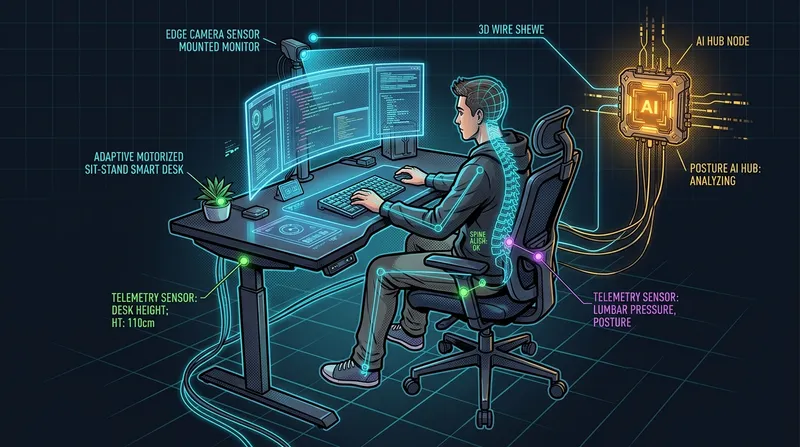
Wie künstliche Intelligenz, multimodale Sensorik und adaptive Möbel Haltungsschäden im Homeoffice und Büro aktiv verhindern und Ergonomie steigern.
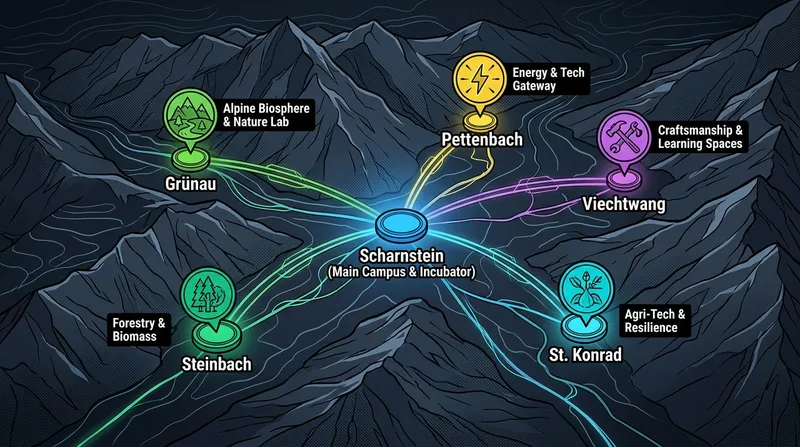
Ein strategisches Zukunftskonzept für das Almtal: Dezentrales Bildungs- und Hochtechnologie-Ökosystem der FH OÖ für alpine Regionen im Wandel.
Bringing client-side LLM-driven AI agents into the browser with WebGPU, MLC Web-LLM, and web workers for decentralized ecosystem simulation.
Explore interactive network graph visualizations in Astro: How we unified WebGL, Three.js, Vis.js, dynamic layout syncing, and theme-aware styling.
Real-time shallow water and groundwater simulation shaders on the GPU at 60 FPS using WebGL, Three.js, and FBO ping-pong texture computation.
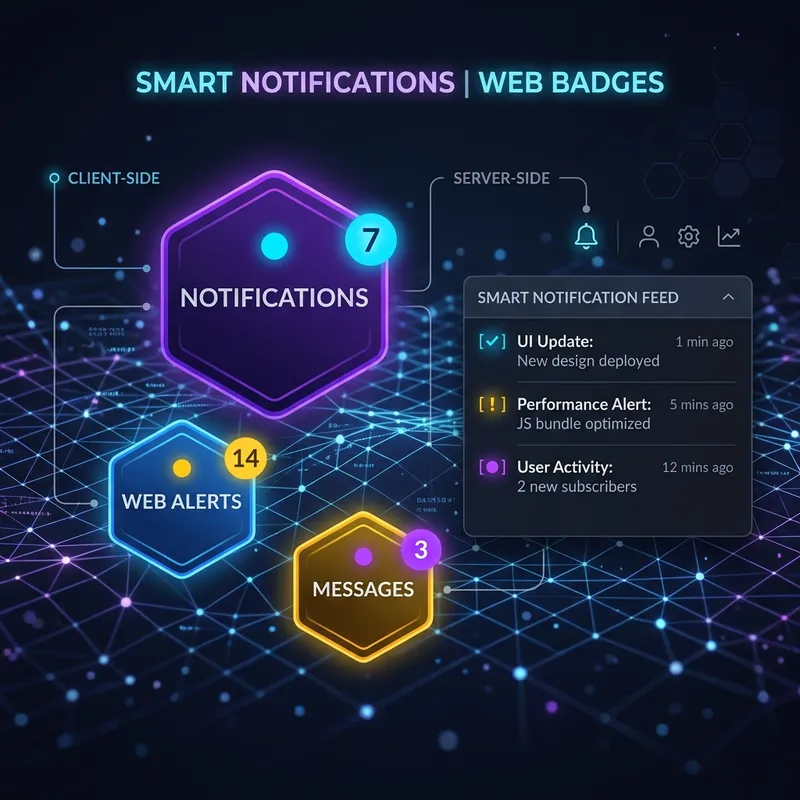
How to build a zero-flicker client-side unread content notification badge in Astro using localStorage and synchronous manifest synchronization.

Learn how to build a static portfolio on GitHub Pages with Astro, TypeScript & AI agents: Automated migration, sub-second loads, and full type safety.

Now, that zumida has emerged into a mature platform, it is time to present the first public video. See zumida in action, from registration to content creation a...
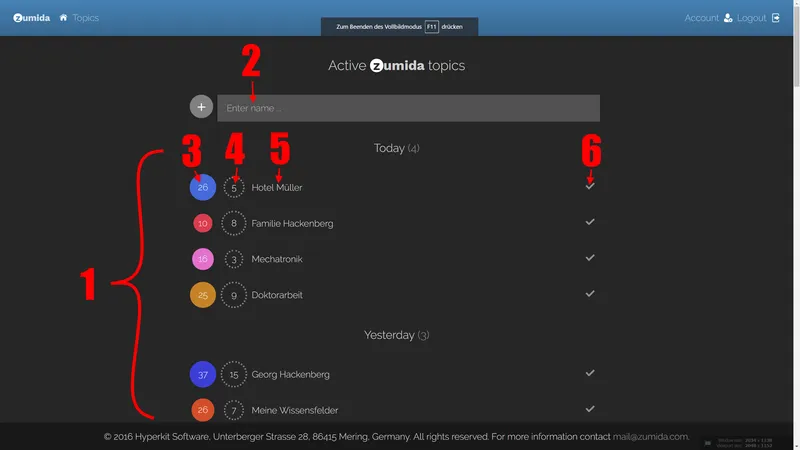
Recently I have been working on the zumida dashboard. The dasboard provides an overview of the information managed with zumida. From there you can dive into the...
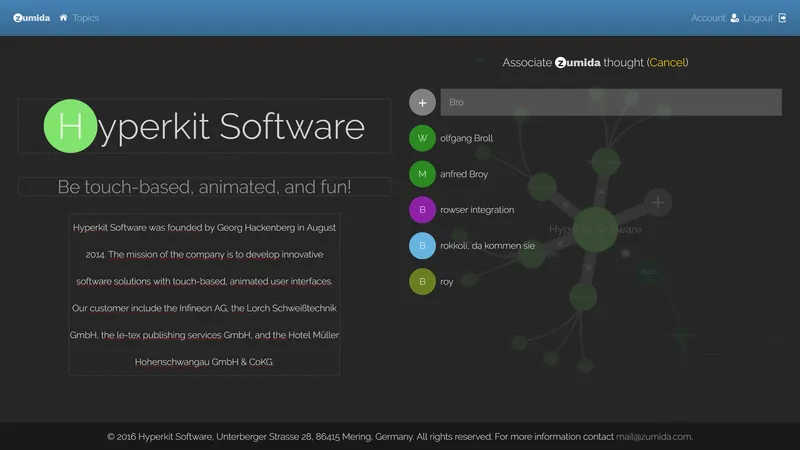
Some time ago I started working on a new version of zumida, a software for knowledge management, communication, and presentation. Today, I want to share two scr...
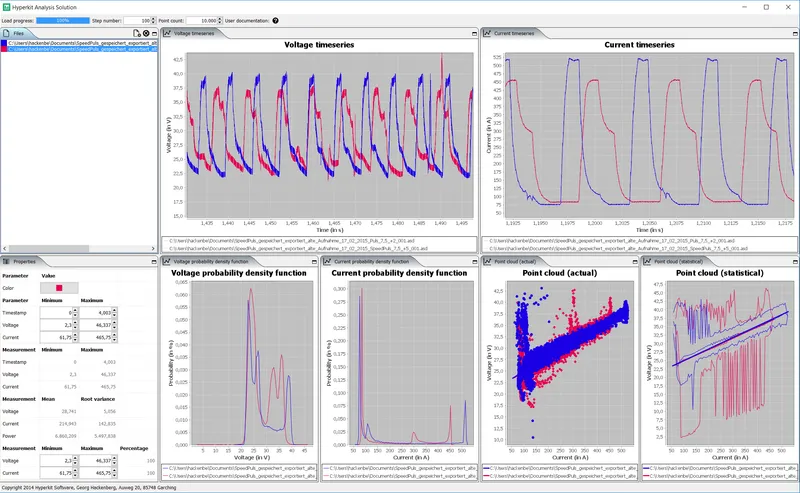
Some time ago a friend of mine, Prof. Gerard Wilhelm, asked me to develop a tool for analyzing data from his welding experiments. In this post I want to share s...
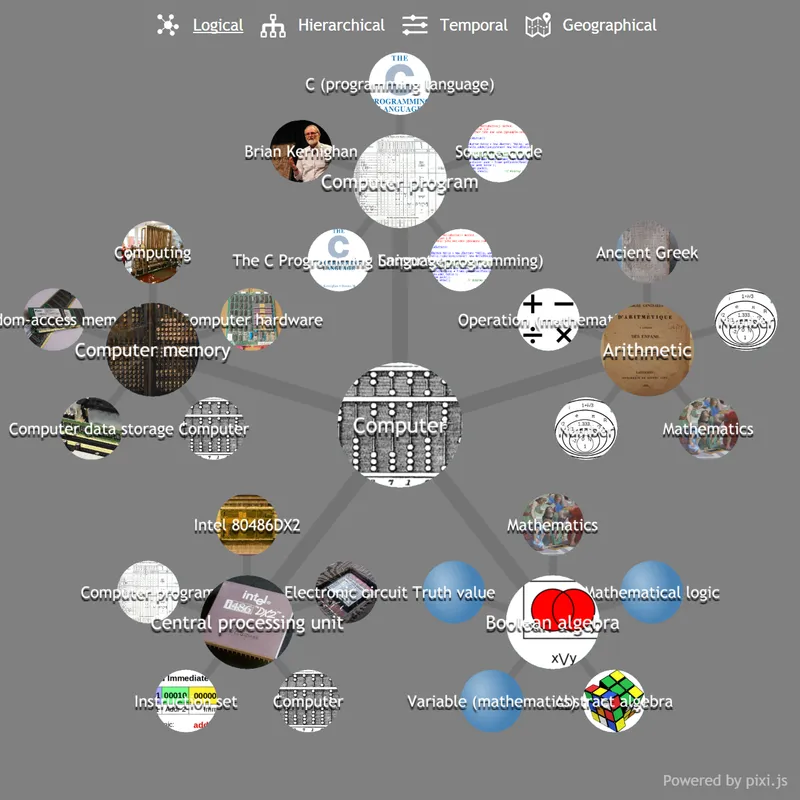
At Hyperkit Software we also develop JavaScript graph visualization algorithms. However, we focus on touch-based interaction and physics-based animation to make...
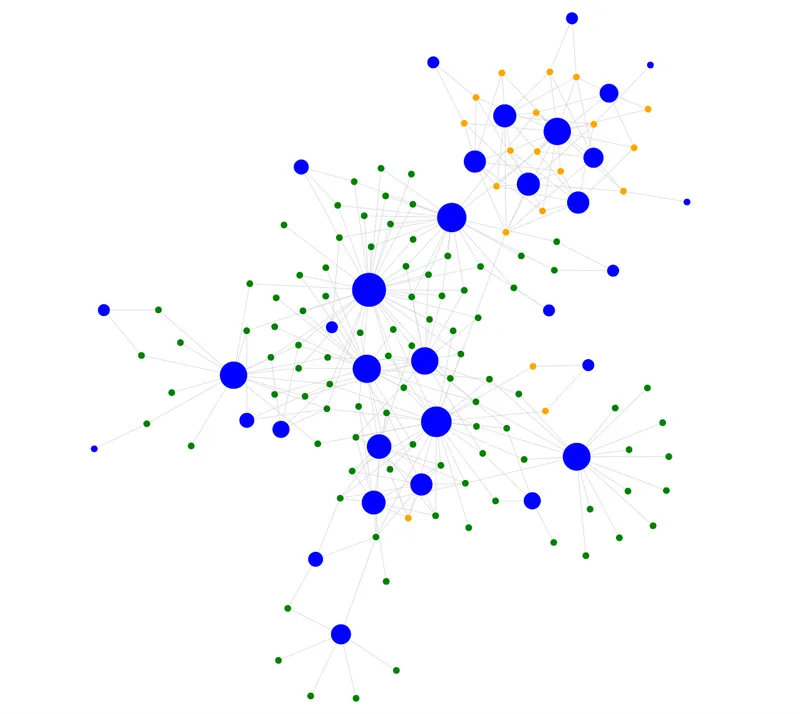
Recently, I added tags to my blog posts and scientific publications. The tags allow me to connect my articles based on keywords and topics. I use the tags to im...
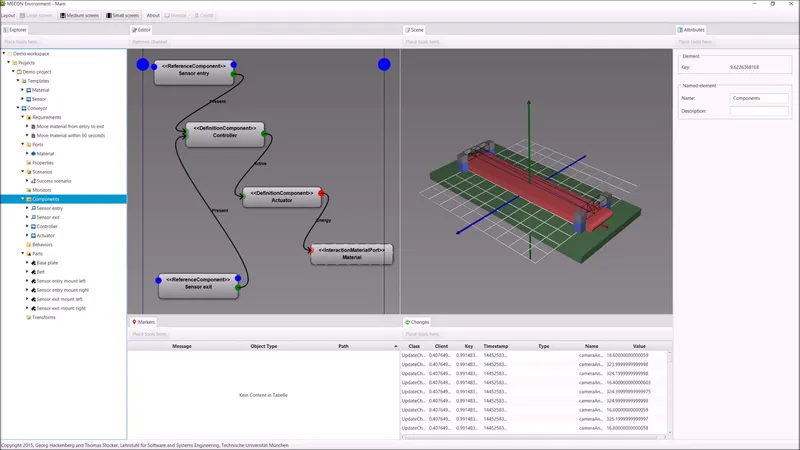
The MaCon approach covers a wide range of engineering tasks for manufacturing systems, from requirements analysis, to system design, to component and system tes...
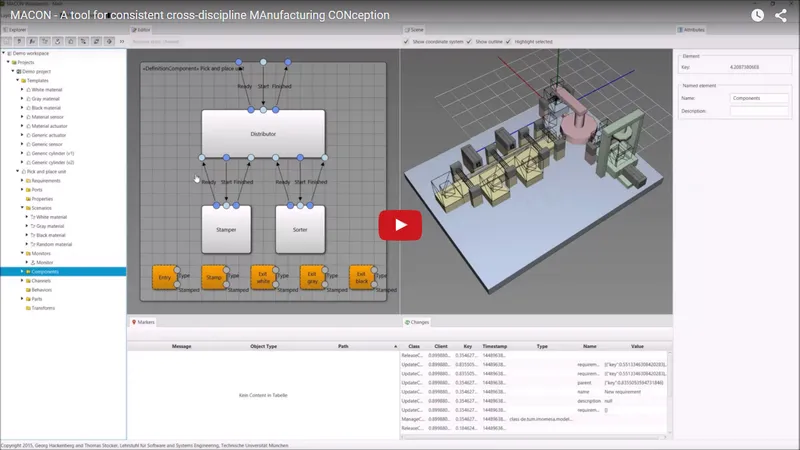
In the last days, I prepared a YouTube video demonstrating MaCon: A tool for consistent cross-discipline conception of manufacturing systems. The video explains...
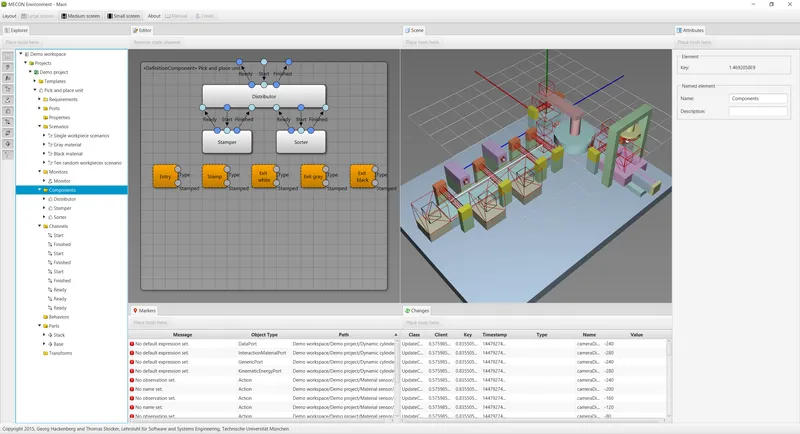
It took me the whole year to develop a software, which implements the cross-discipline manufacturing systems modeling and consistency checking technique I propo...
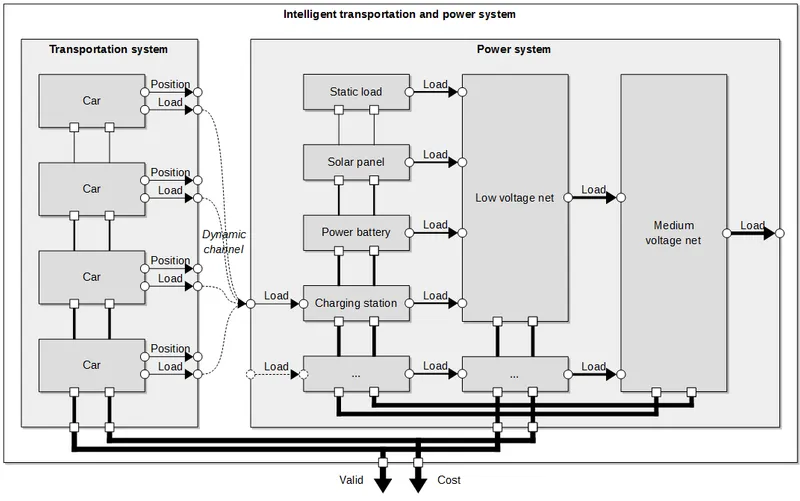
Here is another interesting piece of work I was doing over the past three years with Dominik Ascher: Integrated transportation and power systems modeling to hel...
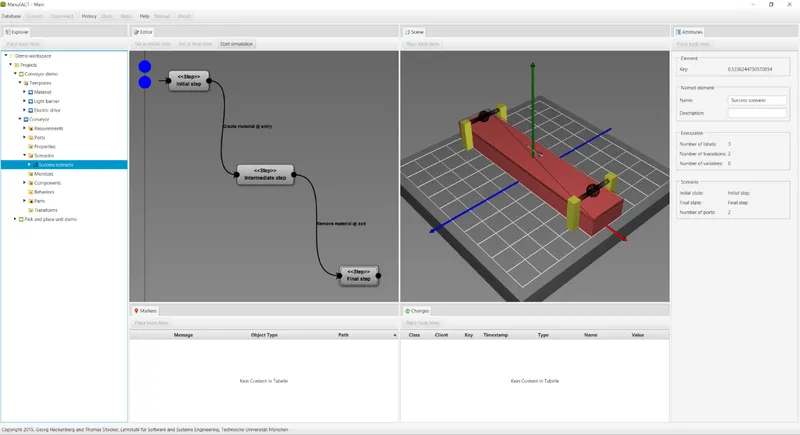
After three years of work I am happy to show you the first screenshots of the mechatronics engineering workbench. The workbench represents the core of my disser...
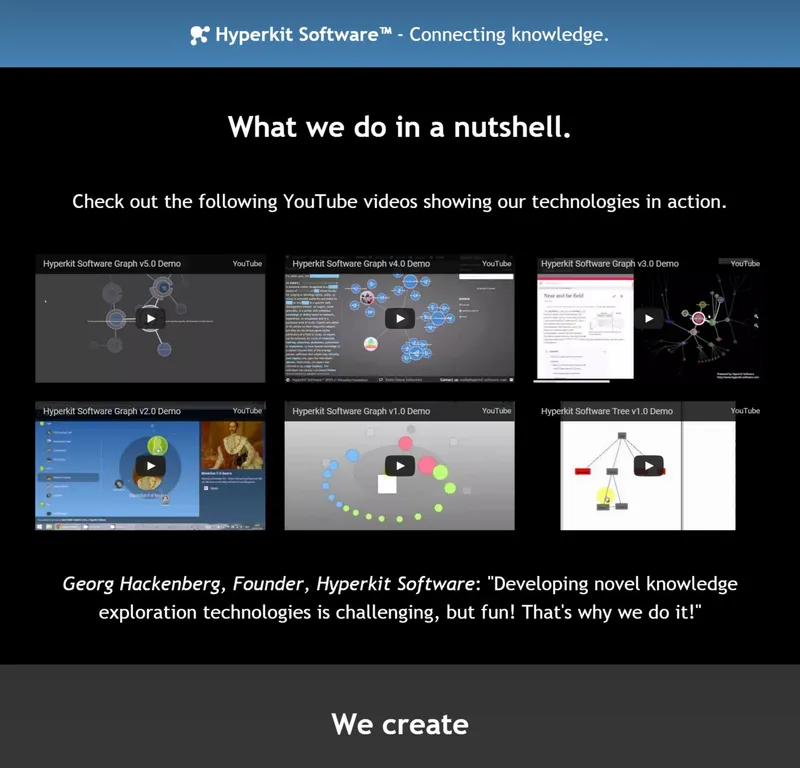
I am happy to announce the launch of www.hyperkit-software.com! We have been working on our software products over the past two years. Now we feel is the right ...
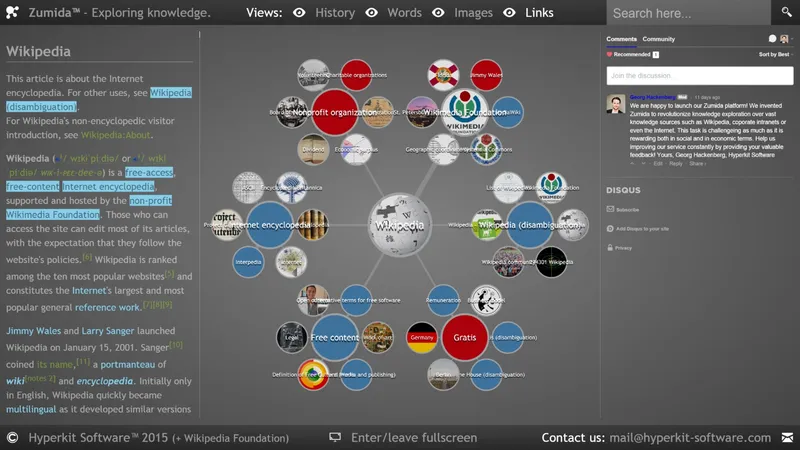
I am happy to announce the launch of www.zumida.com! We invented zumida to revolutionize corporate and public knowledge exploration. Check it out and give us fe...
To complete the publications section of my website I recently added slides, abstracts and BibTEX entries. Note that the slides are hosted on slideshare, a free ...
I am happy to announce the launch of my new website. This is the fourth edition of the website, where I try to go back to the original idea of providing easy to...
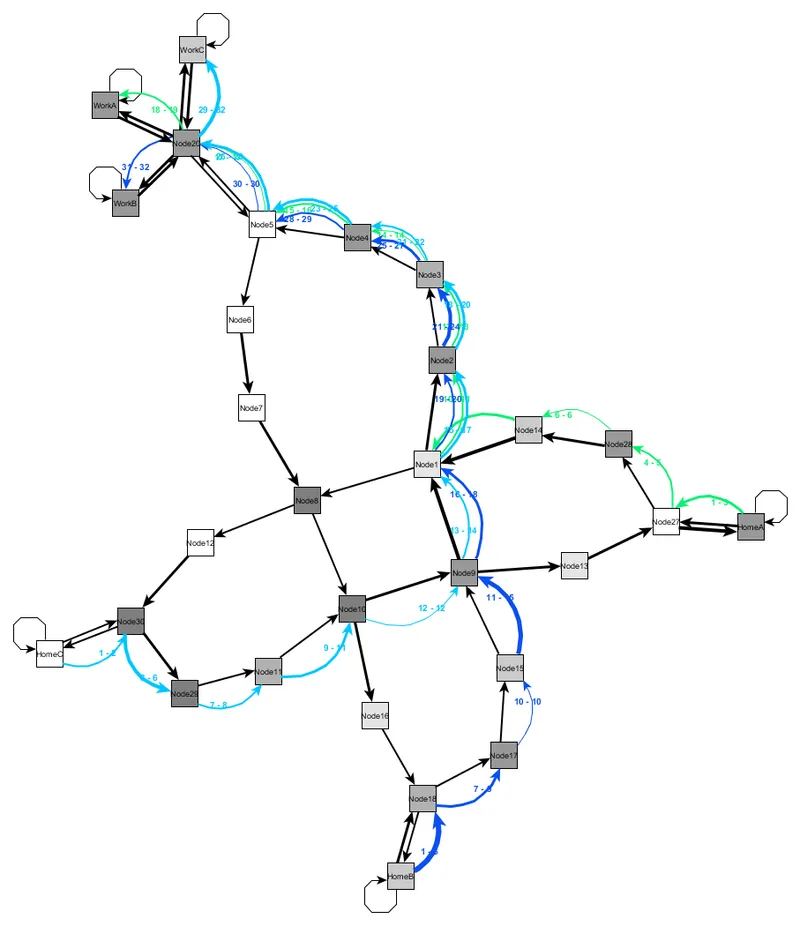
Besides our original topics such as distributed and smart fride control we have worked on another interesting issue: Smart traffic control. By smart traffic con...
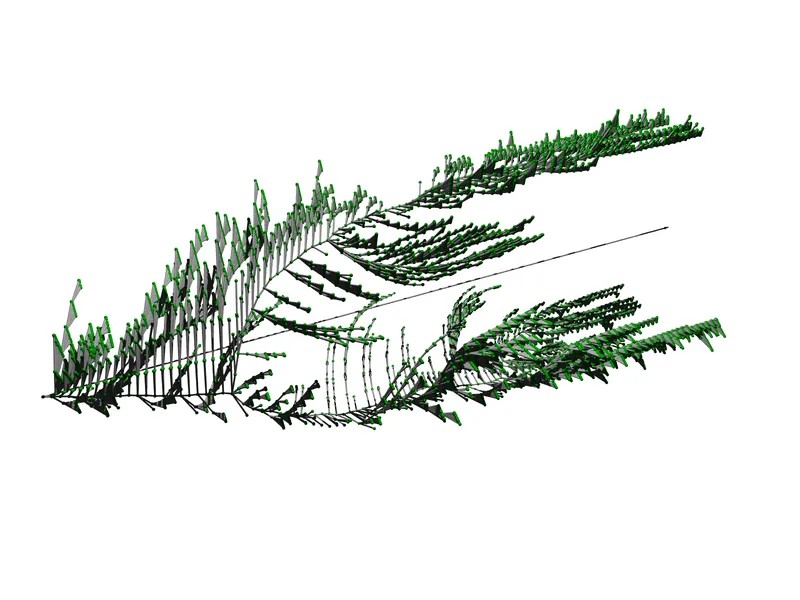
To better understand the behavior space and its heuristic exploration using our tool Xtream we developed a proprietary 3D visualization. The visualization shows...
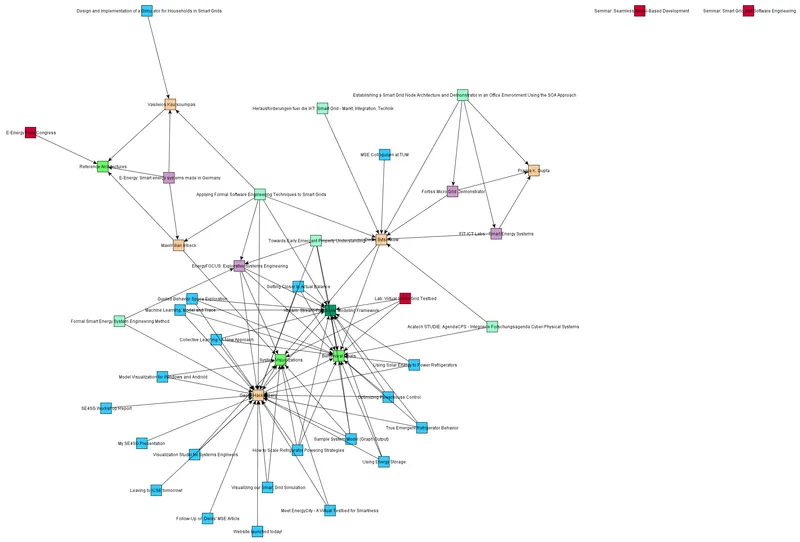
In the past year we have spent quite some effort on giving our smart grid research activties a shape. One of our big milestones was to establish this website as...
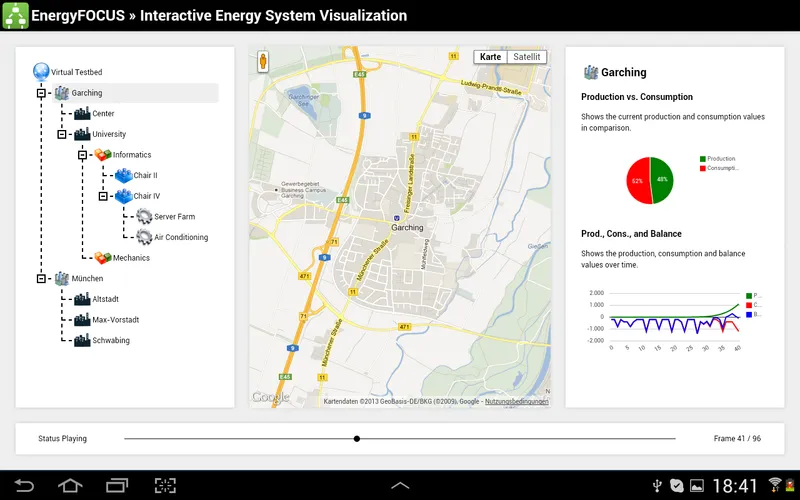
As part of our virtual smart grid testbed lab we have been working on an interactive visualization for our models including their structure and behavior. Here a...
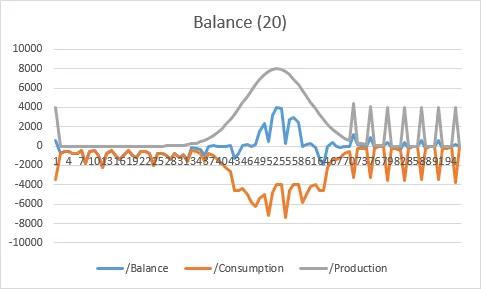
Previously, our results showed that we are able to generate high quality goal-oriented behavior for models including up to 20 components. This article demonstra...
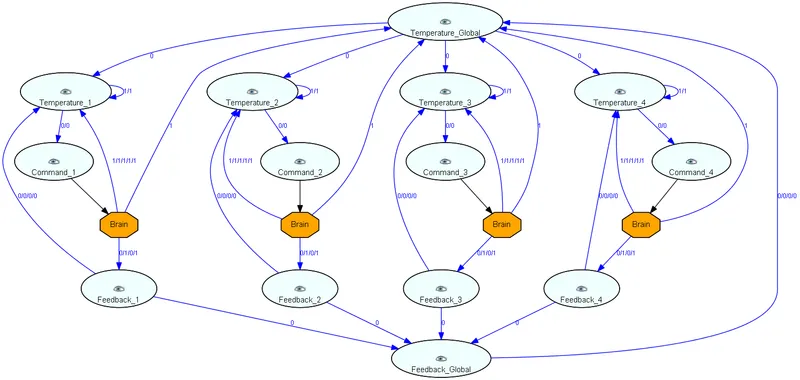
The machine learning approach is progressing: This article provides a glance into one of our machine learning models as well as behavior after training. The res...
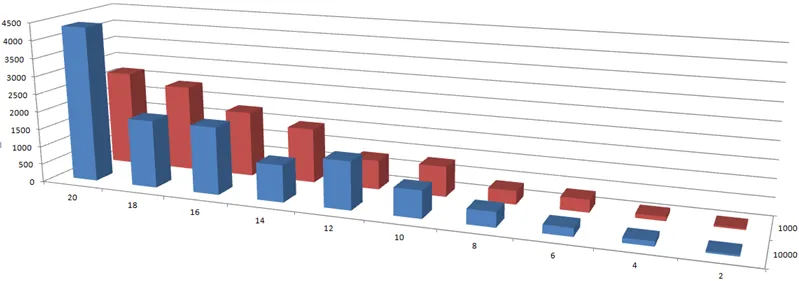
In the past weeks we have been working on a first prototype for collective learning. The idea behind the approach is to make individuals collaborate with respec...
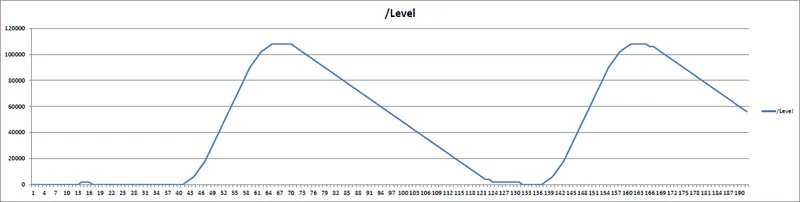
After extending our models and testing our tool chain we finally get some results that are really close to actual balance. The results are an important step tow...
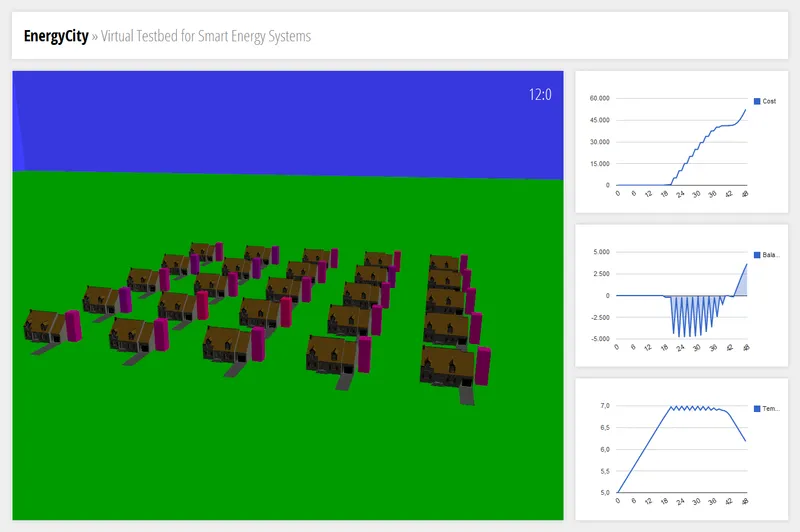
To smooth the way for smart energy systems we have been working on a virtual testbed for deploying and testing control strategies: EnergyCity. This article show...
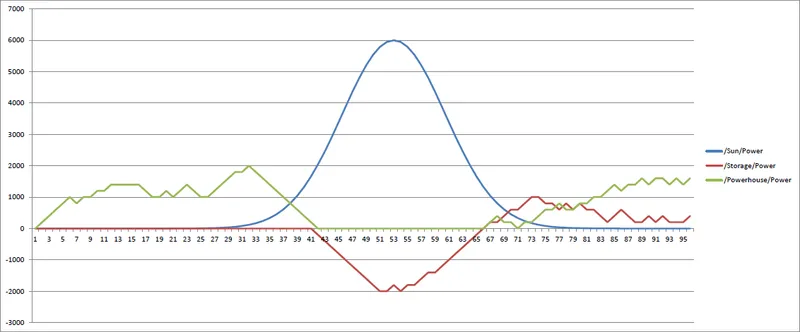
After adding the powerhouse in the previous example we now integrate a model of energy storage components into the picture. This first study explores the behavi...

To meet the hard power balance contraint the use of conventional power plants and powerhouses is probably inevitable even in a smart grid. For this reason we ex...
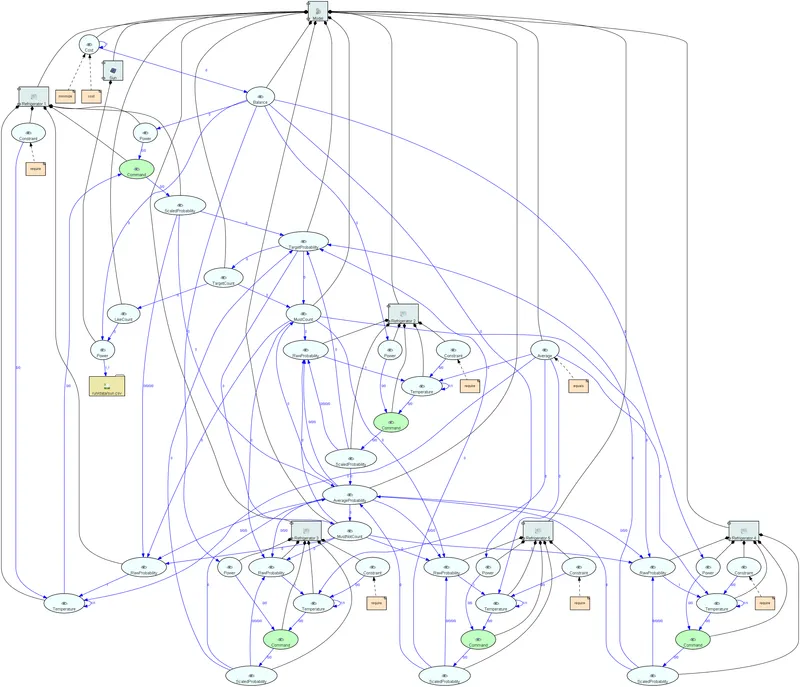
To demonstrate the models we are working with here is some sample output from our tool. The engine transforms structural model information in a custom graph for...
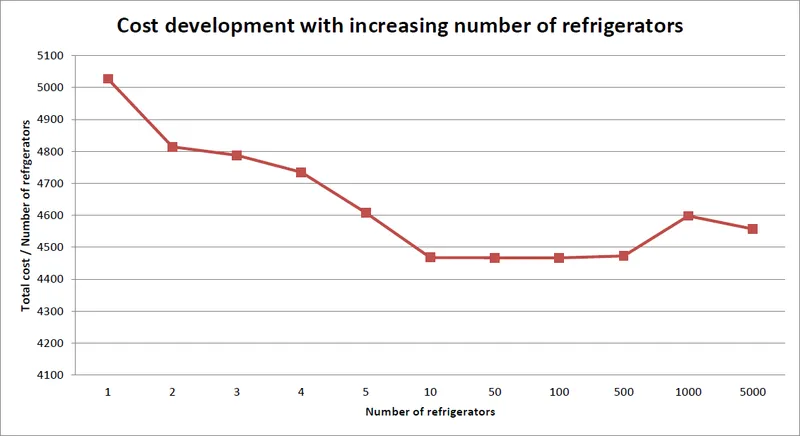
We are moving towards larger scale problems! In the past we worked on modeling, optimizing and exploring behavior of up to 20 refrigerators. Computational bound...
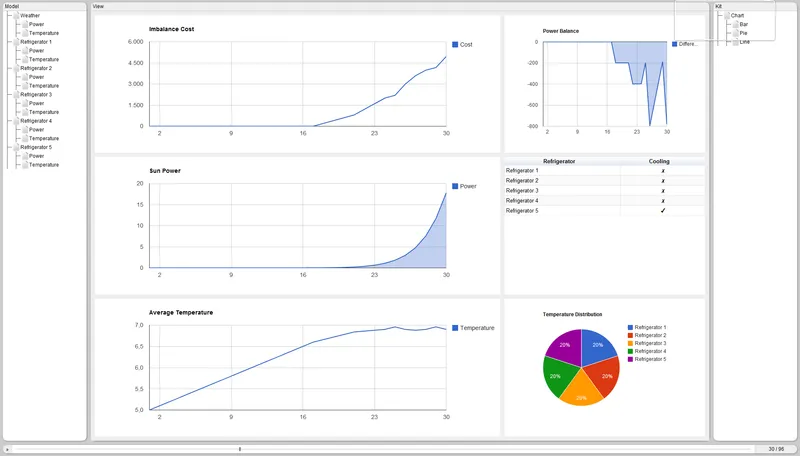
Seeing is understanding. This is especially true when engineering the structure and behavior of complex systems. Understanding whatever models you built is the ...
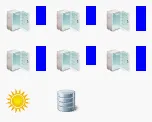
When it comes to an array of heterogeneous refrigerators, control optimization becomes a real challenge. In this article I demonstrate how a possible strategy c...
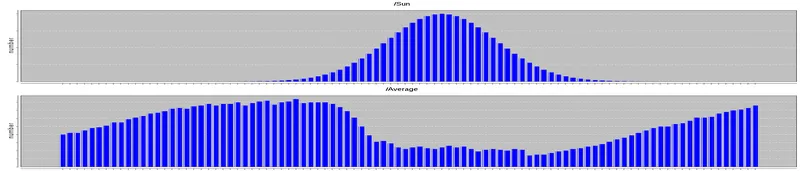
Here are some recent results on using solar energy for powering refrigerators. In the experimental setup we study how to control the cooling process of 20 refri...
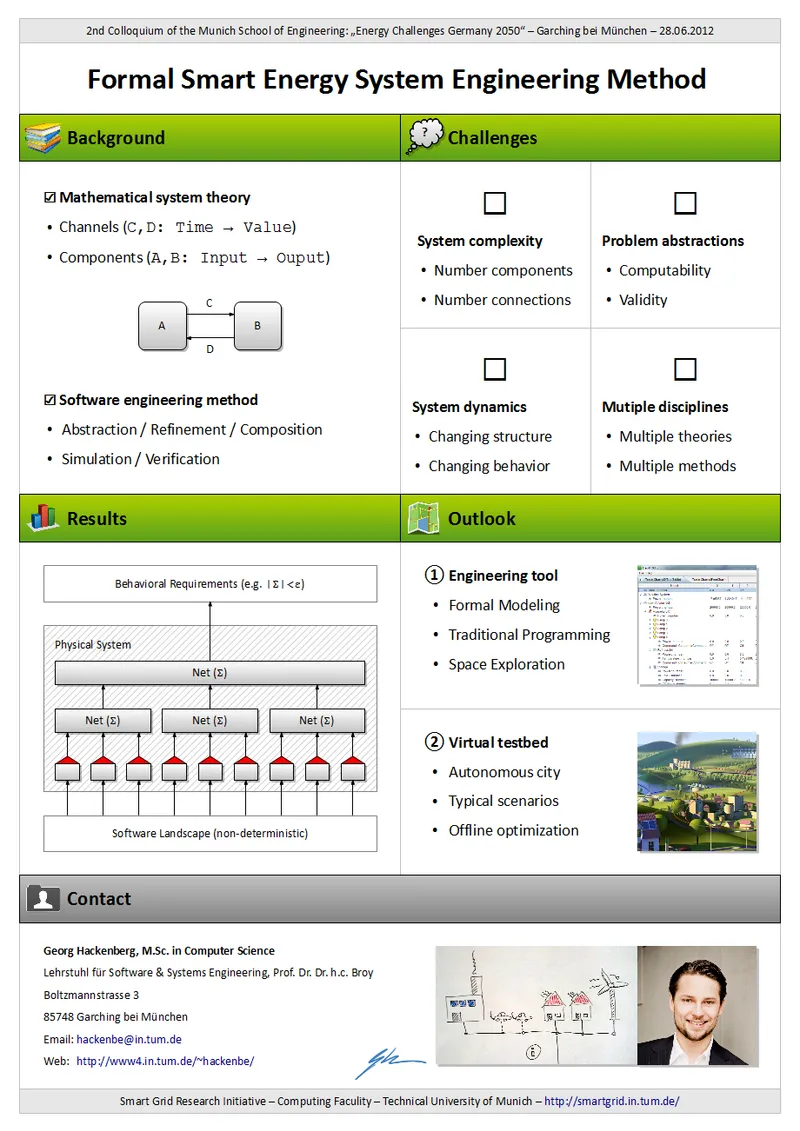
This is only a short/quick supplement to Denis' previous article about the Munich School of Engineering (MSE) colloquium. I uploaded my poster to show people so...
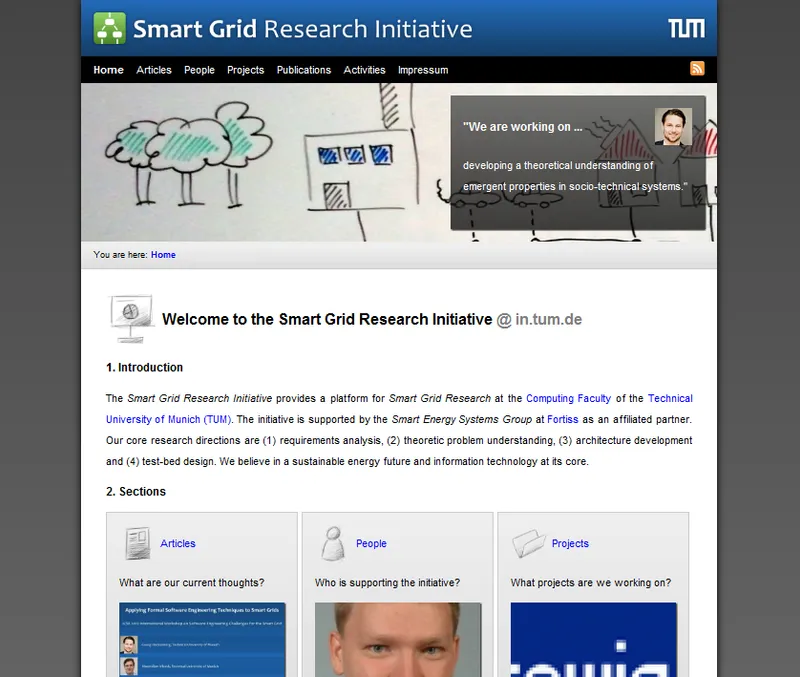
The last weeks my colleagues and I have been working on a website to promote our smart grid research and communicate with other researchers and practitioners fr...
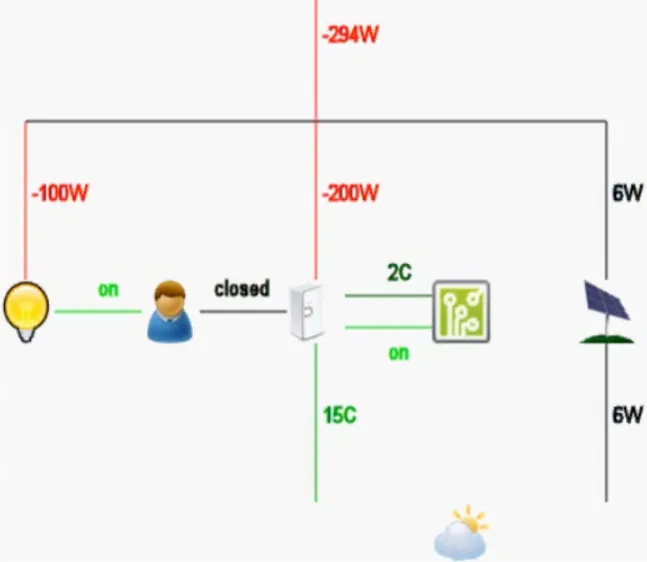
At ICSE I presented our initial model for simulating the smart grid including both physical and software components. To help developers analyse their systems we...
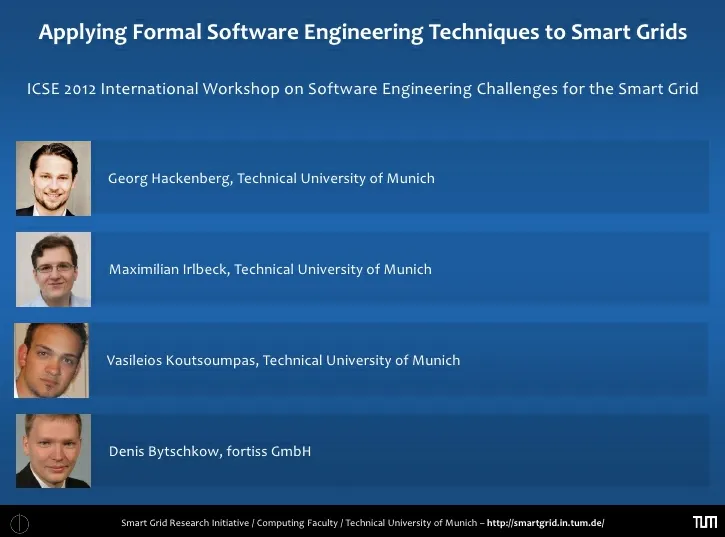
I just uploaded my presentation slides for the SE4SG workshop to slideshare to give you the opportunity to review my talk. I hope everybody enjoyed the presenta...
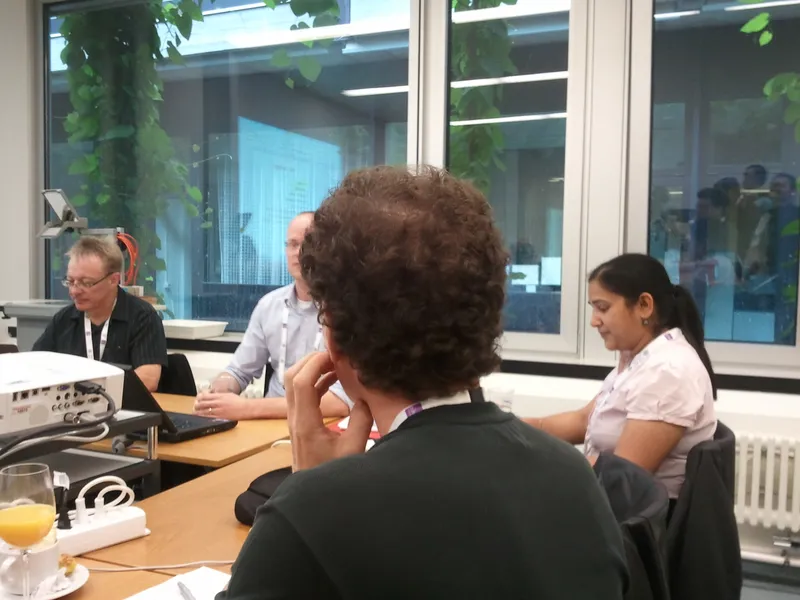
Yesterday the ICSE workshop on software engineering challenges for the smart grid was held at the University of Zurich. It was a great event providing fertile g...
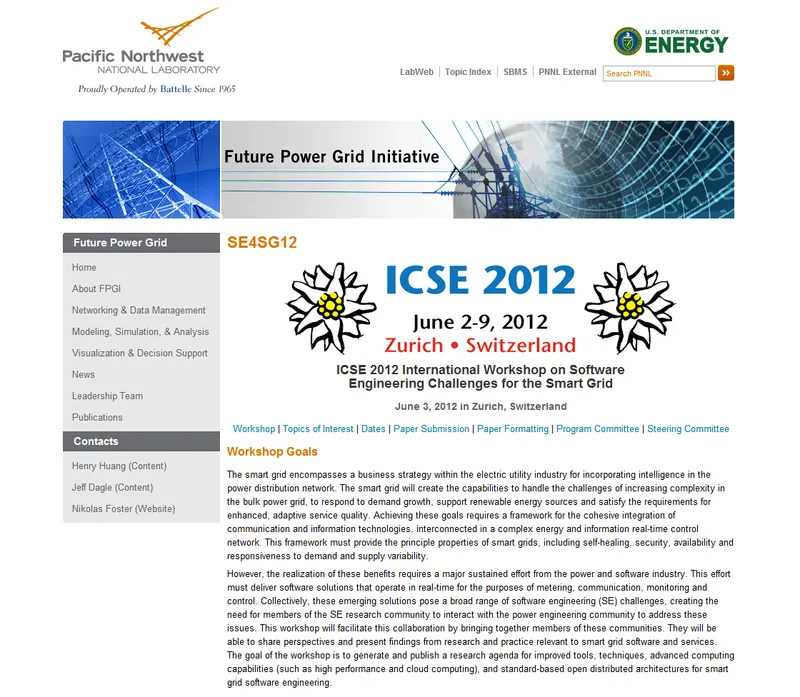
The event is approaching: Tomorrow at 11:59 AM the train is leaving to Zurich, Switzerland, where the 34th International Conference on Software Engineering is h...
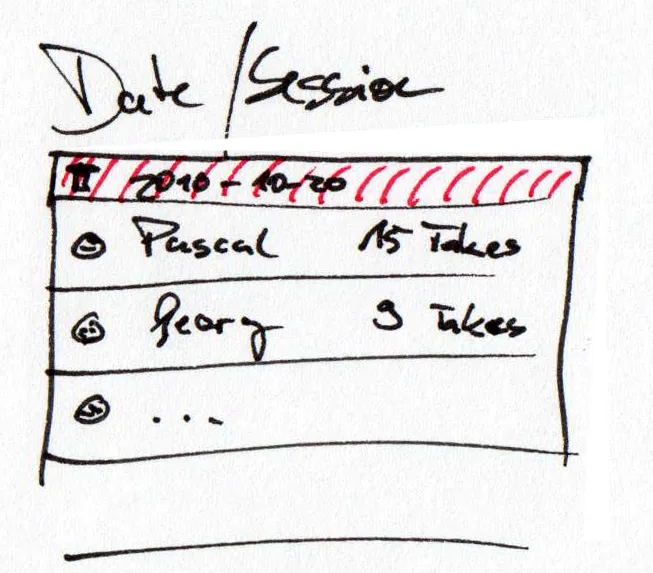
Recently while browsing some folders on my hard disk I discovered relicts from my time in Lausanne, Switzerland. Somehow, for me this is an interesting and exci...
In a previous article I showcased some logo ideas I created with Inkscape and Gimp. In the mean time I bought a Tablet PC with Stylus and discovered a little to...
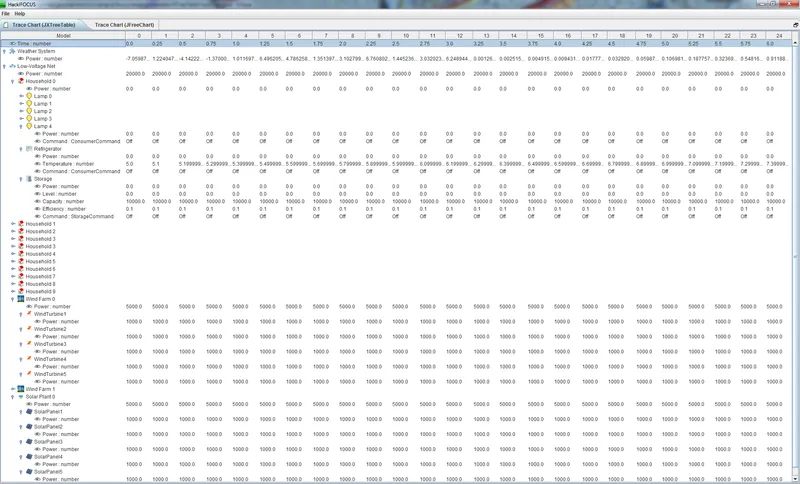
We are not there yet, but we are making good progress! That's probably the message of this second report on smart grid simulation (see first report). This artic...
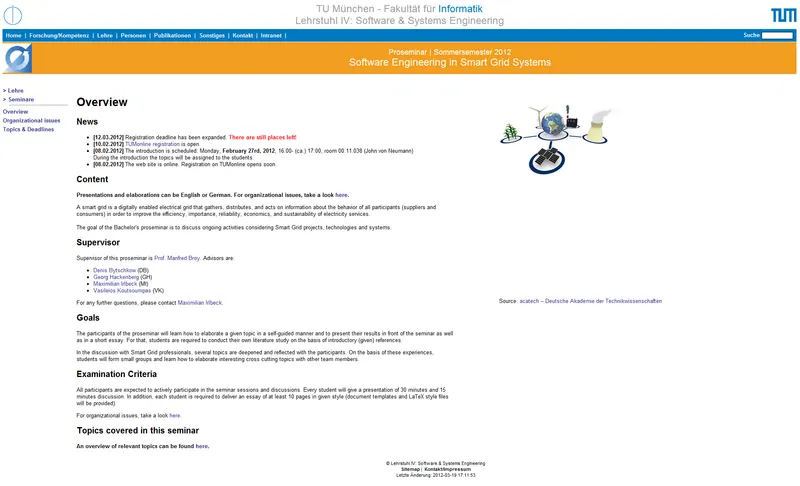
Today the spring term started at the Technical University of Munich and so did our newly created smart grid seminar. The goal of the seminar is to teach young s...
To improve the usability of my blog I worked on two new features: (1) The timeline navigation and (2) the Facebook like button. When reading an article, the tim...
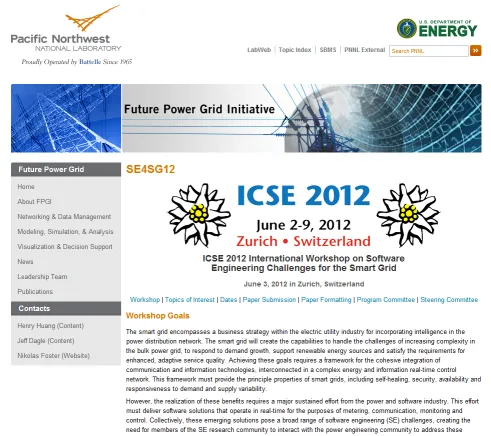
I am happy to announce that my colleagues Maximilian Irlbeck, Vasileios Koutsoumpas, Denis Bytschkow and I successfully published a paper on applying formal sof...
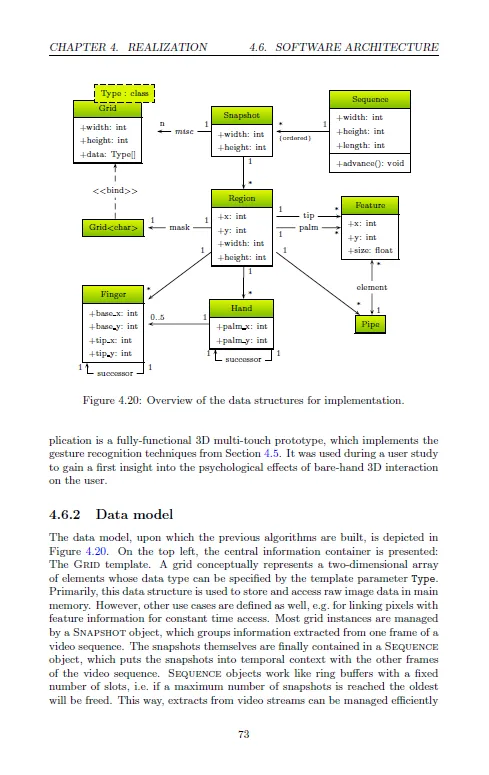
Due to the overwhelming response from the research community over the past 2 years I decided to put online my Master Thesis written at Fraunhofer FIT. I hope my...
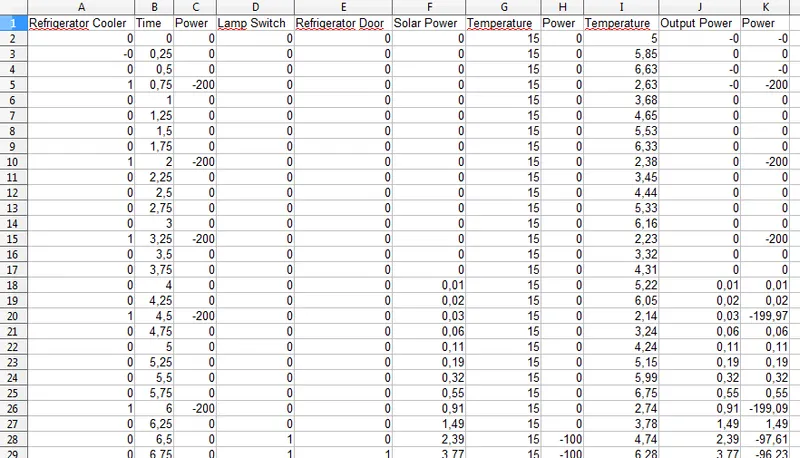
The last weeks my colleagues and I have been working hard on a basic simulation of a household with electric components and control software. We show first resu...
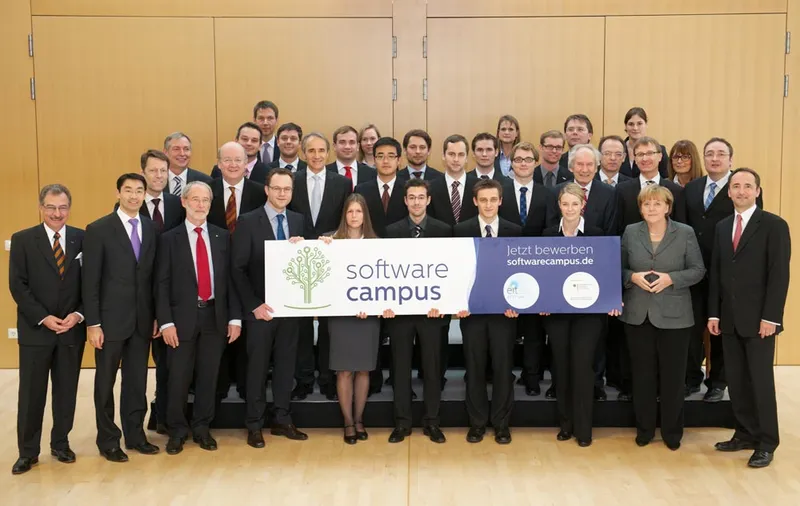
To promote young computer scientists on their way to management or entrepreneurship a consortium of leading German corporations and the Federal Ministry of Educ...
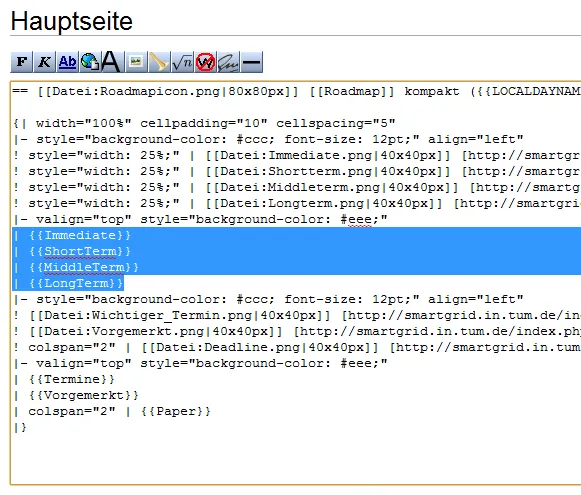
Recently, a few colleagues and I founded a working group around the topic of software engineering for future energy systems (also called smart grids). To coordi...
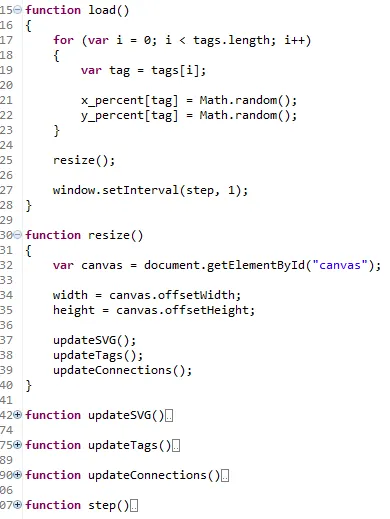
Here's another interface in the series of JavaScript/SVG interactive respectively animated prototypes: The tag graph. The idea is to display the article tags as...
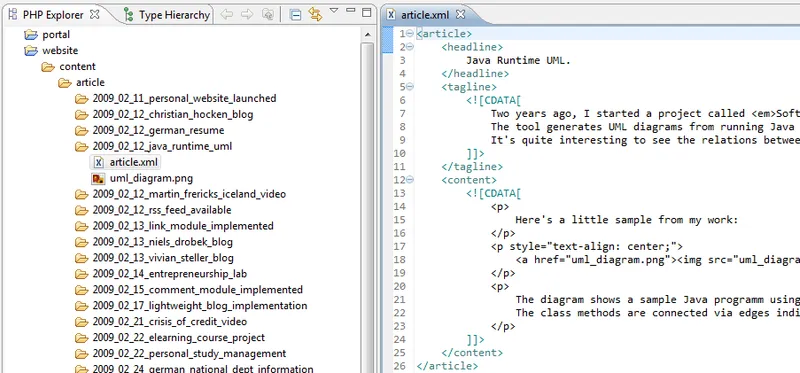
After another year of up-time it was time to revise some parts of the blog implementation. Originally, I did not pay much attention to the file structure. Howev...
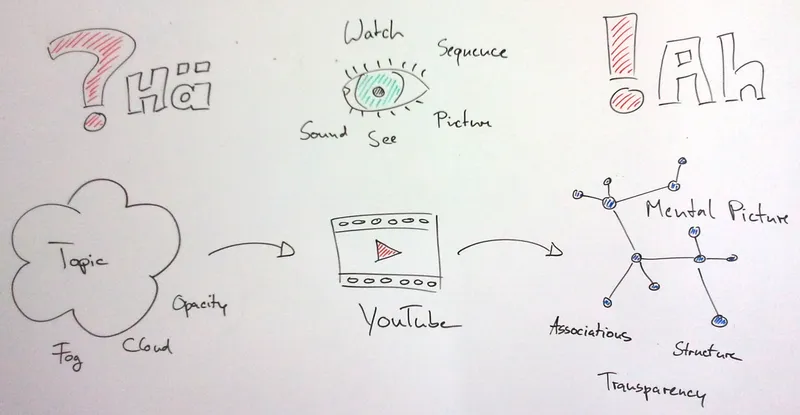
Currently I am working hard to understand ongoing efforts for revolutionizing the energy supply systems across the globe. In a recent article - a View onto the ...
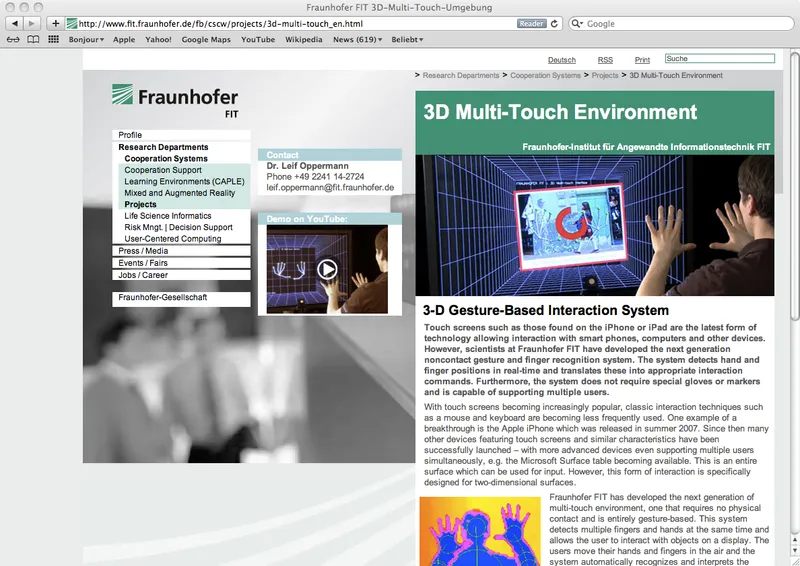
Recently, two websites went online about the 3D multi-touch prototype that I developed during my Master thesis at Fraunhofer FIT. They serve as the public hub f...
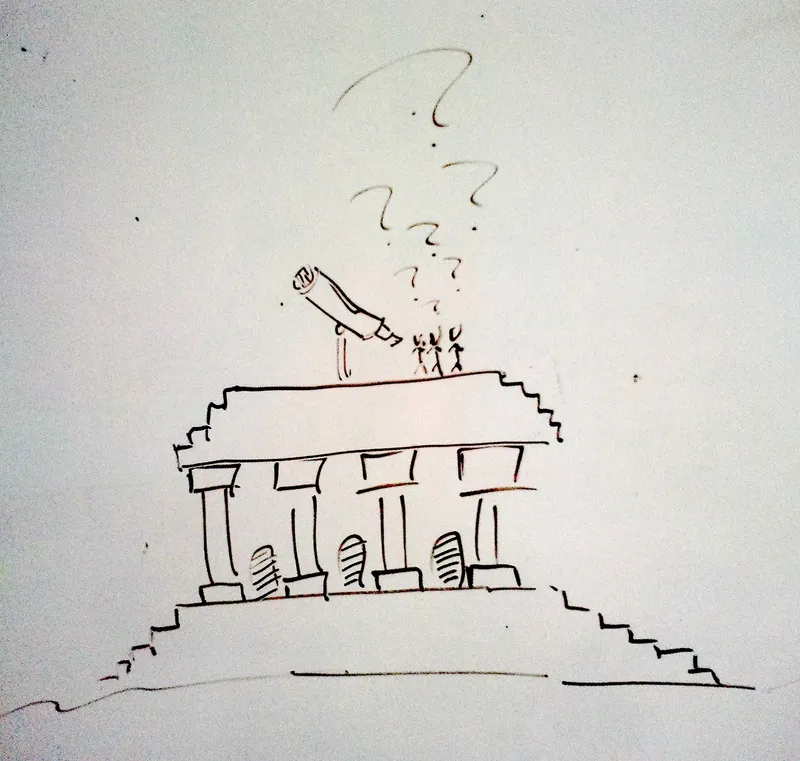
Having worked for some time both in research and development and on my PhD, I started to reflect on my work to gain an observer's perspective. In this article I...
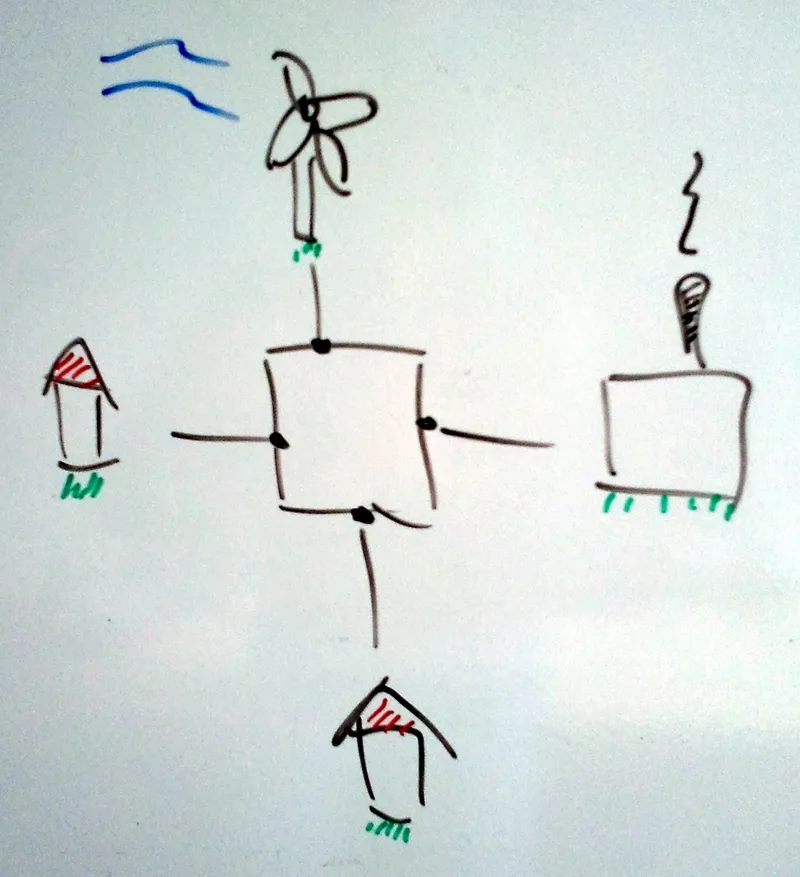
Lately I got interested in the domain of energy supply systems for human society. It is currently one of the hottest topics all in politics, science, research &...
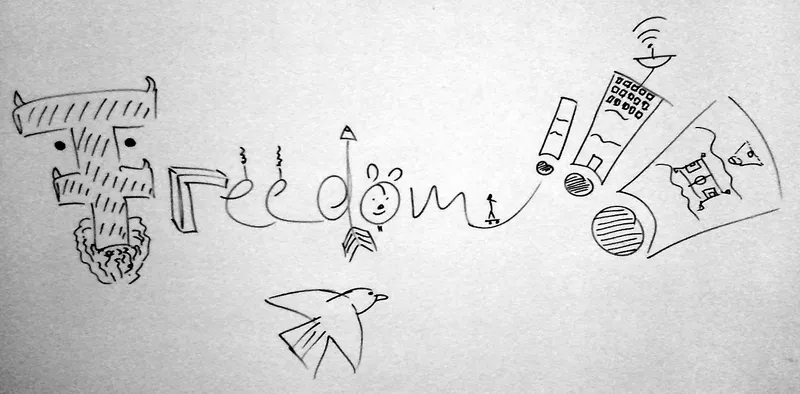
Last weekend I was visiting friends in Berlin. Many of them work in the creative domain being photographers, journalists, and artists. It has been an interestin...
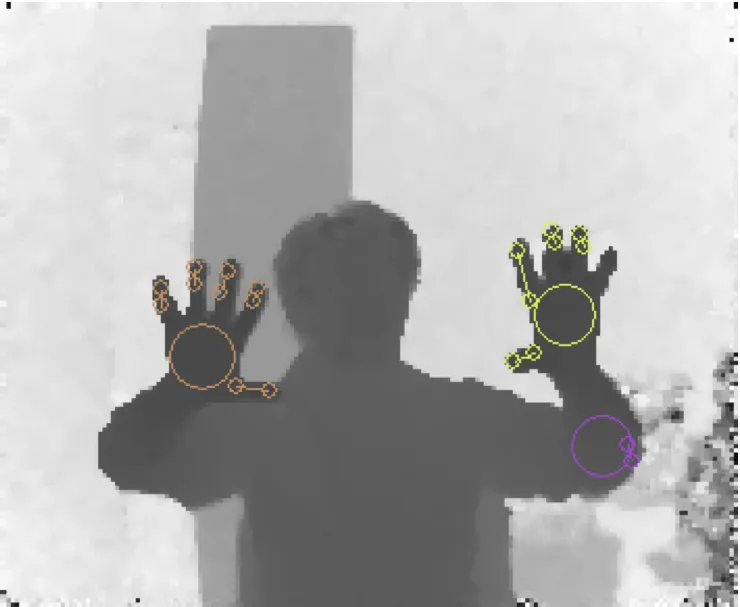
Some time ago I was working on free hand 3D gesture interfaces similar to Microsoft Kinect. What this work essentially means is collecting digital camera images...
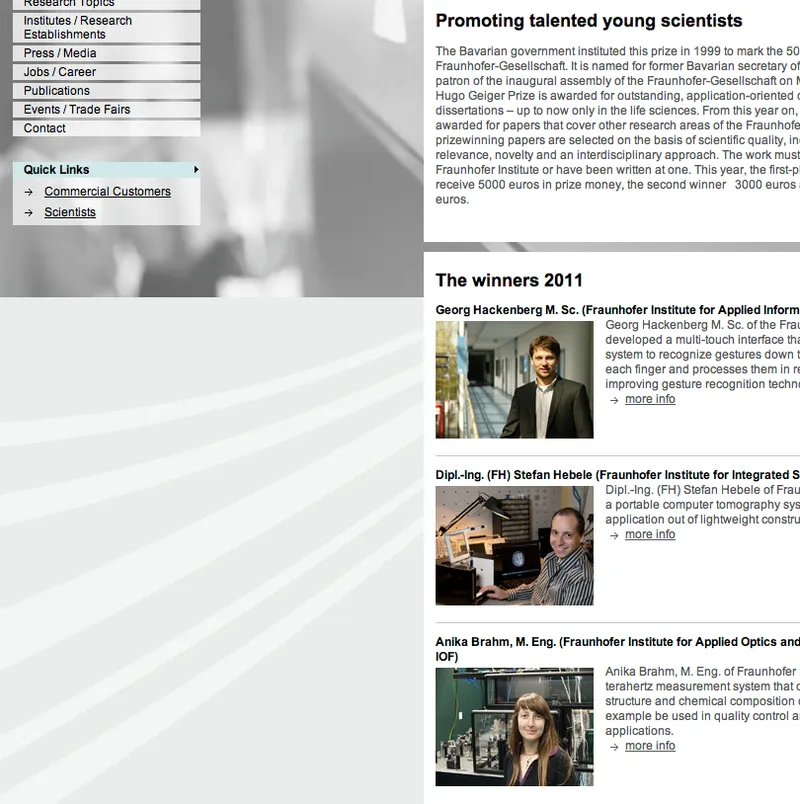
After finishing graduate classes at RWTH Aachen University I decided to go to Fraunhofer FIT, a non-profit R&D organization at the interface between science...
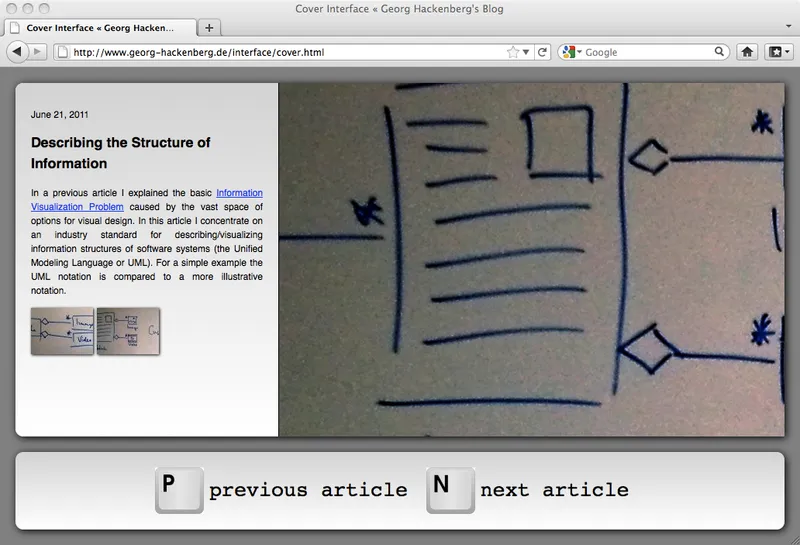
In the previous post I demonstrated Animated Article Tiles, a new type of interface for blogs. One problem people had using the interface was that the images/ti...
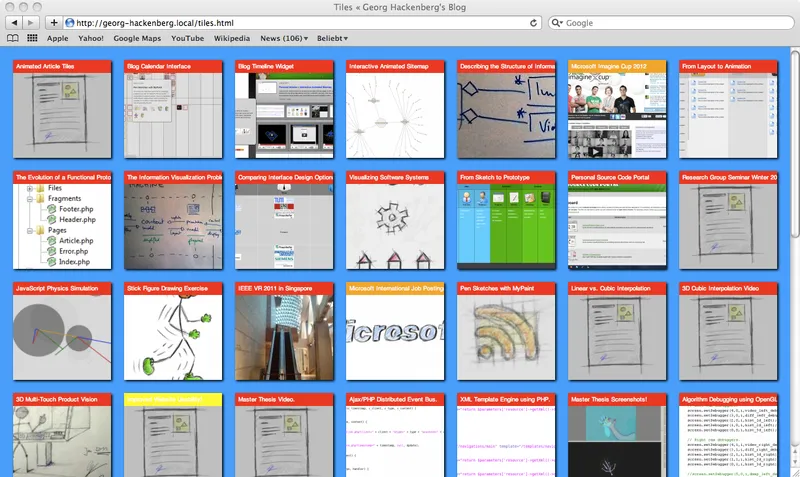
In my previous posts Blog Calender Interface and Blog Timeline Widget I demonstrated how to use the time information to build navigation controls for blogs. In ...
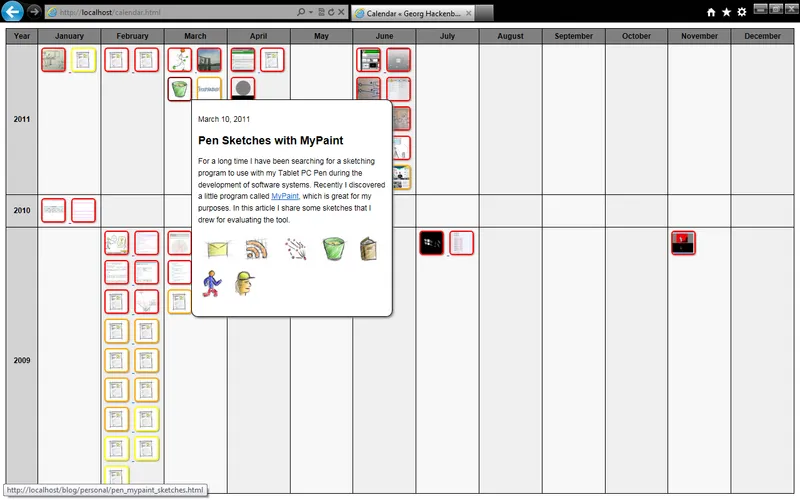
In my last post Blog Timeline Widget I demonstrated how to provide a timeline for navigating your blog posts. In this article I show a modified version of the i...
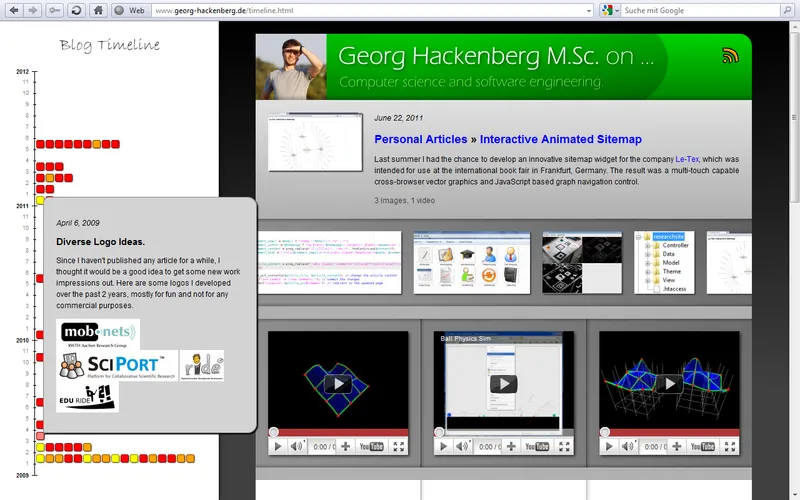
The main purpose of a blog is to provide access to articles (HTML documents) organized by date. To reflect this idea I designed a timeline that visualizes the t...
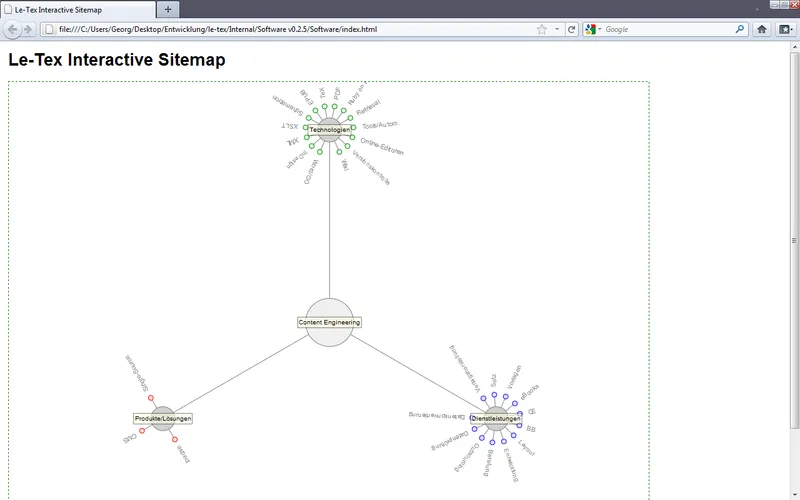
Last summer I had the chance to develop an innovative sitemap widget for the company Le-Tex, which was intended for use at the international book fair in Frankf...
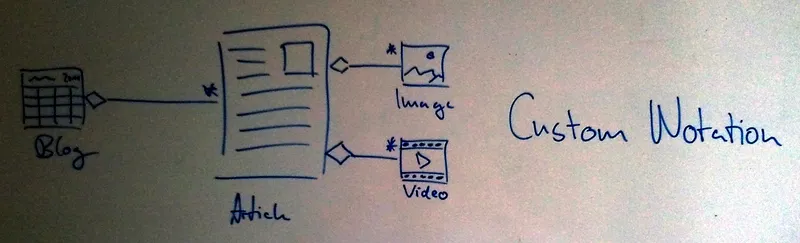
In a previous article I explained the basic Information Visualization Problem caused by the vast space of options for visual design. In this article I concentra...
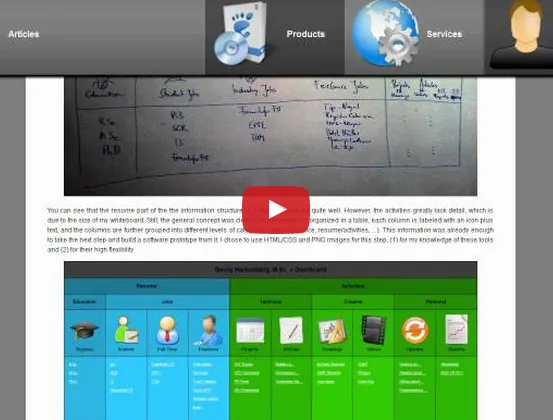
In a previous article The Evolution of a Functional Prototype I demonstrated how to transform sketches into prototypes backed by database content and applicatio...
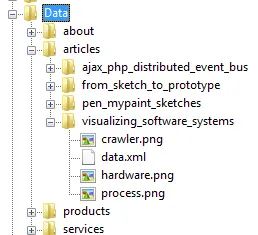
In a previous article From Sketch to Prototype I illustrated the change from fuzzy whiteboard sketches to more structured and formal HTML prototypes. In this ar...
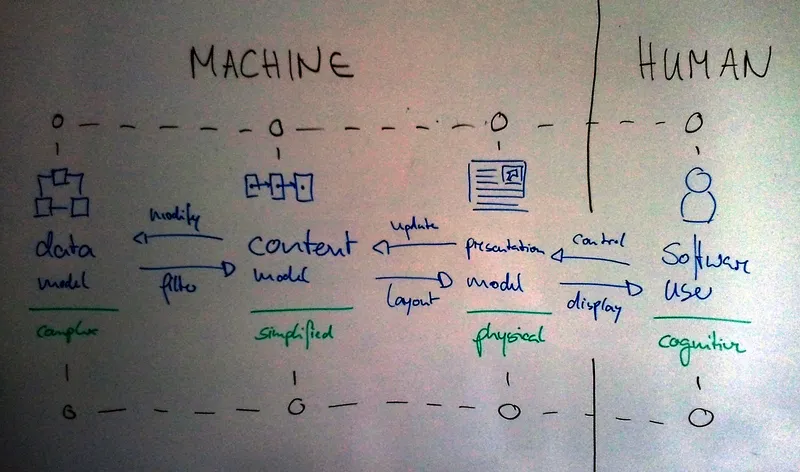
Inspired by my pervious post about Visualizing Software Systems I started to think about the more general problem of information visualization. The major differ...
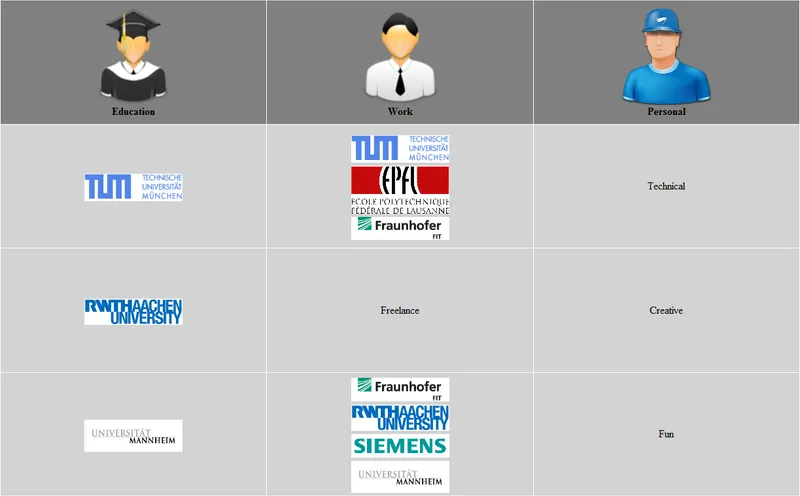
Developing graphical user interfaces requires us to develop visual representations of information and controls. My previous article, From Sketch to Prototype, e...
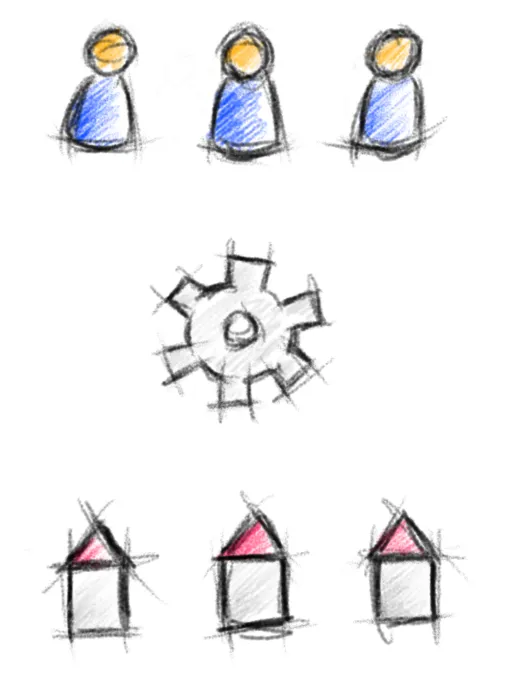
One problem computer science has compared to many other technical disciplines such as physics or architecture is to create and communicate mental pictures of th...
I have been long thinking how to reorganize my website to migrate from a pure blogging system to a more complete personal portfolio while keeping an original bu...
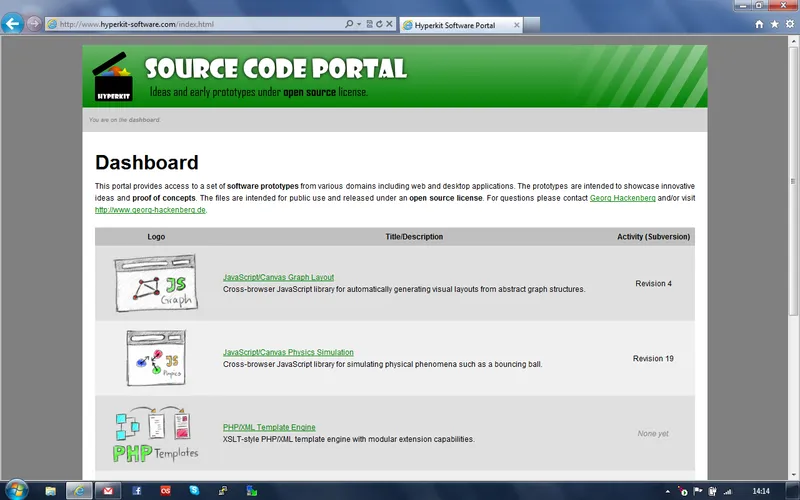
Since I have been asked for the code behind some articles, I decided to put online a separate website for public tracking and distributing the software projects...
Beginning of this week the research group I currently work at was going onto a two day seminar trip onto the country side south of Munich. Since we are a very l...
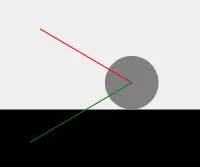
Some time ago I was testing the capabilities of JavaScript and vector graphics toolkits such as SVG (Mozilla Firefox, Opera, Safari) and VML (Microsoft Internet...
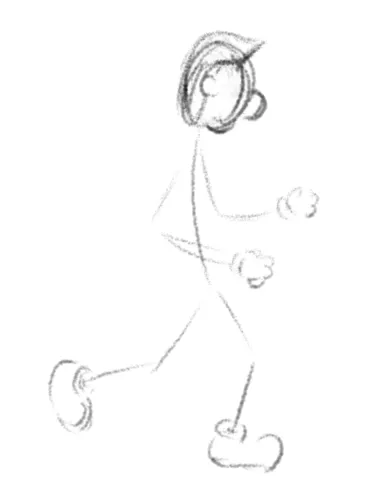
To improve my drawing skills recently I bought a book about stick figure drawing. Here is the result of my first exercise, but don't have too high expections ju...
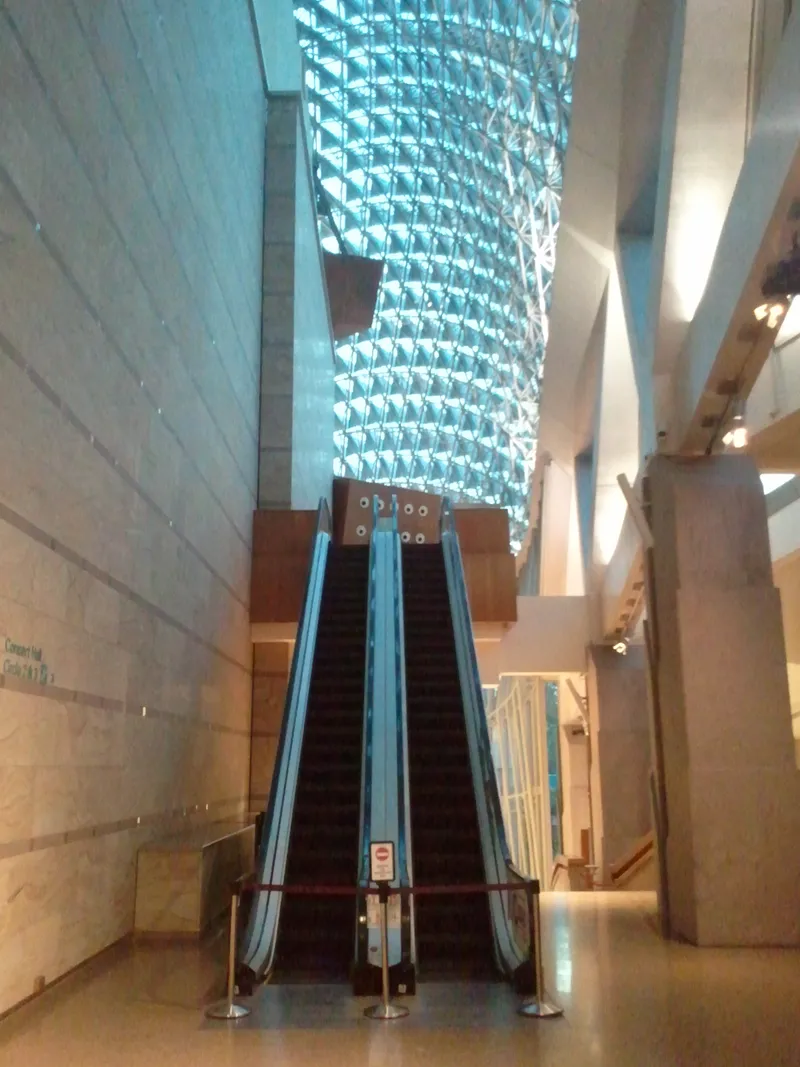
Last week I went to Singapore to present the results of my Master thesis at IEEE VR 2011, one of the world's most prestigeous virtual reality conferences. It wa...

For a long time I have been searching for a sketching program to use with my Tablet PC Pen during the development of software systems. Recently I discovered a l...
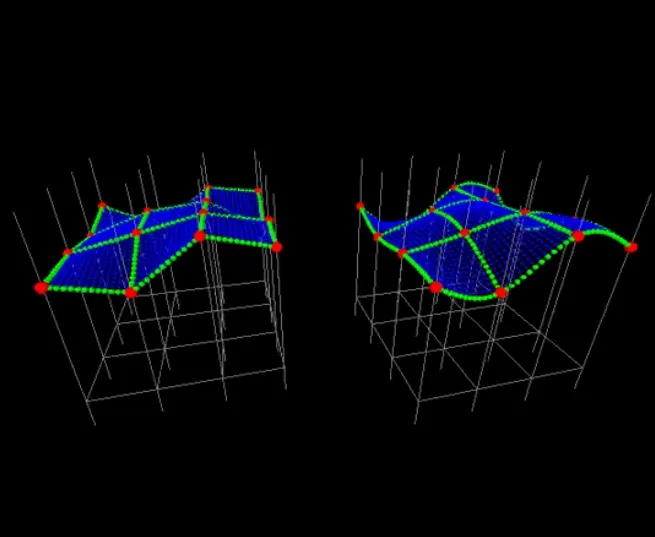
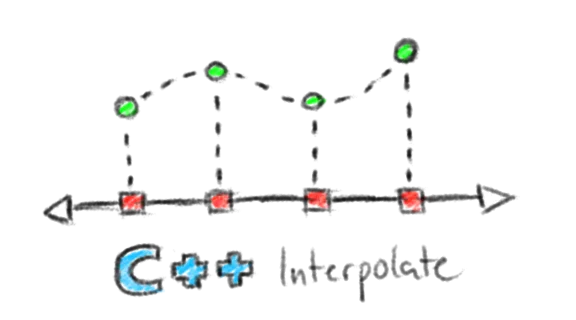
After talking with some non-computer scientists about my previous visualization of cubic interpolation I found out that the concept is difficult to understand i...
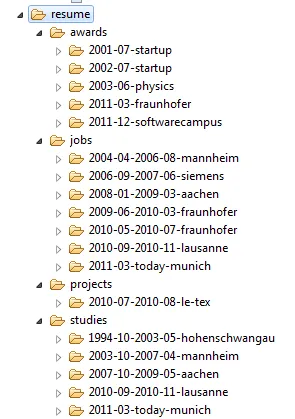
For some time now I was looking for a solution to manage and publish my resume on my website. A simple solution is to upload the PDF, however integration with o...
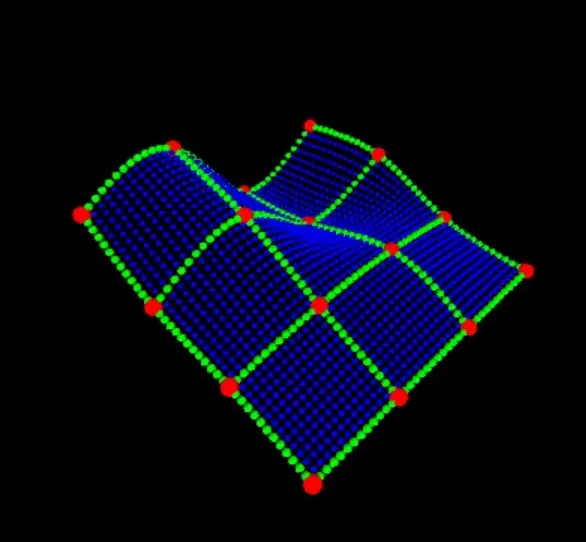
Cubic interpolation is a popular technique in many branches of computer science. For example, it is used when having a time series of numbers and estimating the...
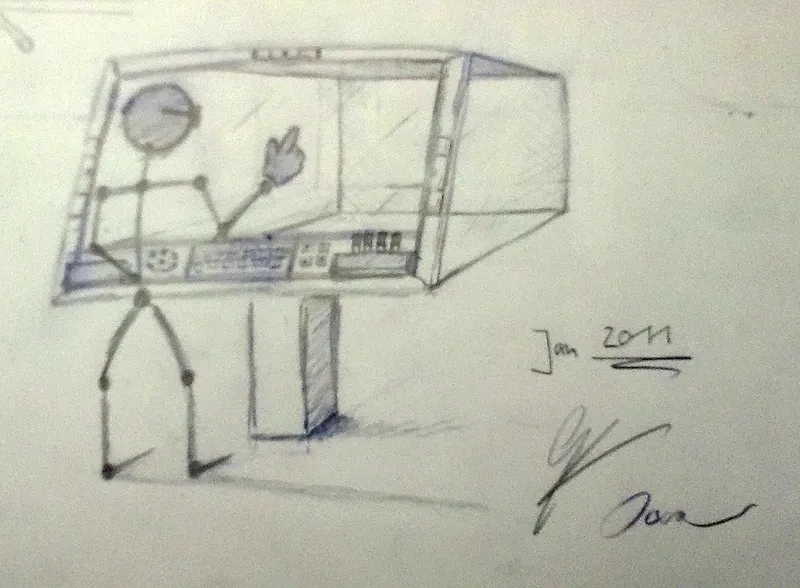
As you might know I was developing a prototype for 3D multi-touch interaction during my Master thesis at Fraunhofer FIT. Lately I had the chance to talk with a ...
After being online with the original layout and navigation concept for almost two years it was time for some central improvements. Among others the RSS feeds ha...
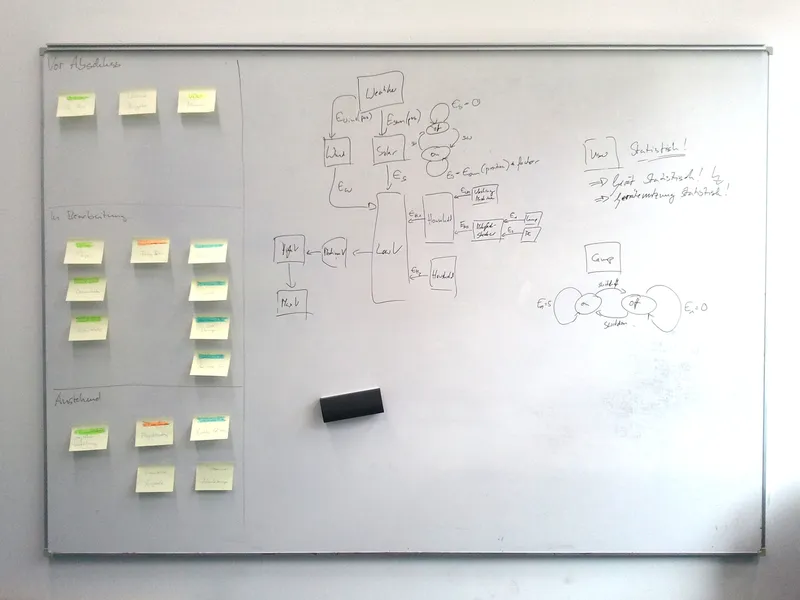
At my new job alongside their PhD thesis everybody is involved in a number of research projects both public funded and with industry cooperation. In many situat...
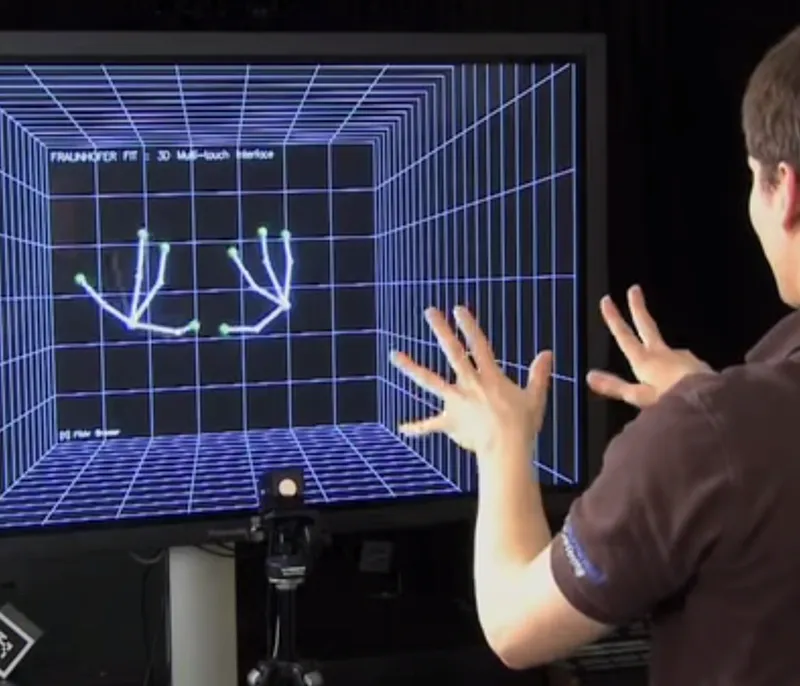
After finally completing my Master Thesis project at Fraunhofer FIT me and some friends took some time to prepare a demonstration video. The video is now availa...
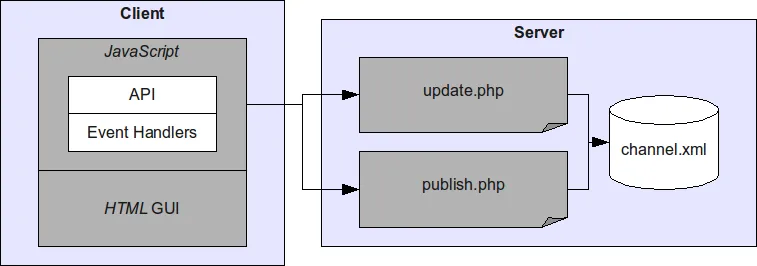
How to synchronize the users of your web site or web application? How to propagate events from one browser or client to the next? This article demonstrates a fi...
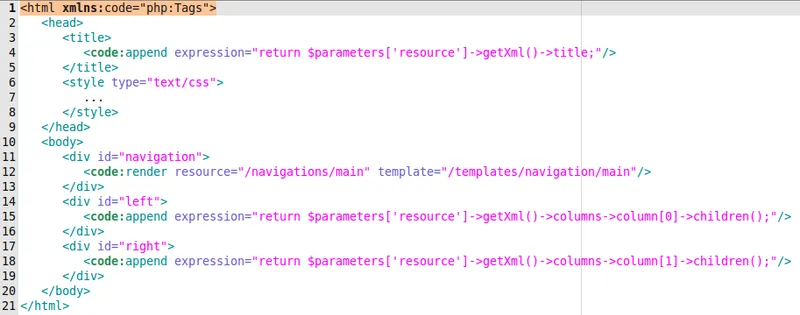
After the success of JSP and JSP tag libraries in the Java world, I was searching for a similar mechanism in PHP. Since the search was not successful and I shar...
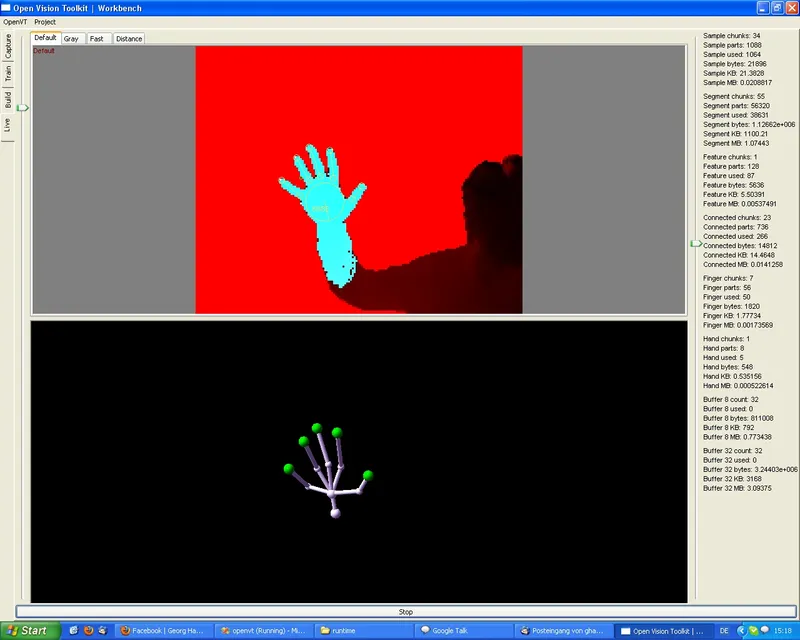
Get ready for the newest and freshest screenshots of my 3D hand tracking application. These pictures show some results of my six month work at Fraunhofer Insitu...
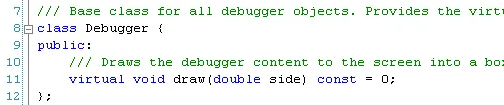
Currently, I am working on my thesis in the area of Computer Vision. The algorithms are quite complex and difficult to debug. Therefore, I implemented a simple ...
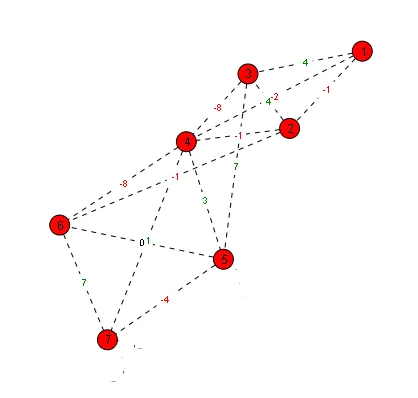
Nowadays, it is not a simple task to integrate interactive graphs into Web applications. Graphs could be used in various ways from presenting overviews to prese...
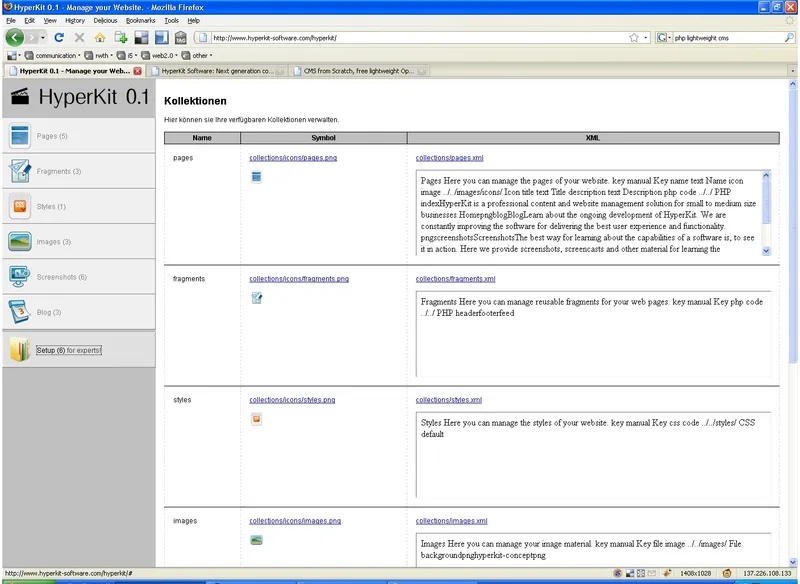
Recently, I helped a friend of mine who is starting his own business with his website. I searched for a lightweight content management system which provides eno...

Since I haven't published any article for a while, I thought it would be a good idea to get some new work impressions out. Here are some logos I developed over ...
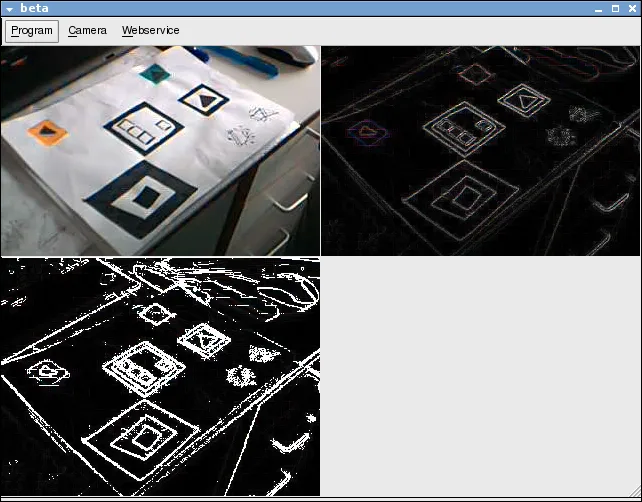
Last year I started developing an augmented reality framework with a friend of mine from electrical engineering science. We succeeded in providing a QT user int...
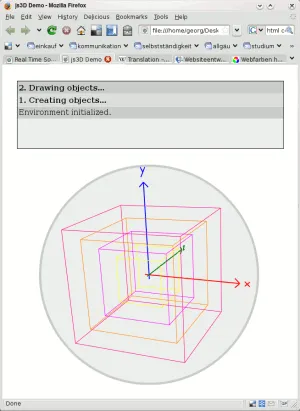
The history of me developing 3D engines for the Web goes back quite a while. It was revived after working at Siemens Corporate Research because they had the nee...
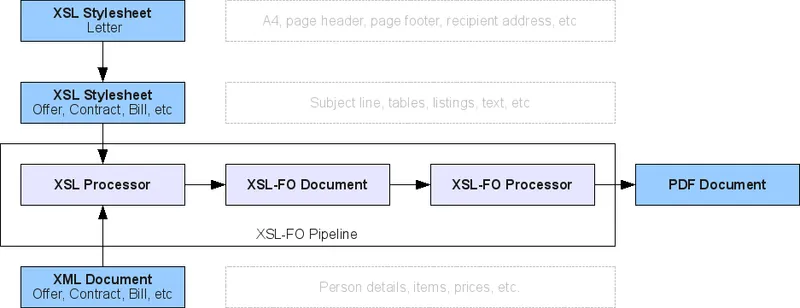
Recently I faced the problem of writing a bill to a customer for which I did Web consulting and development services. I searched for a solution to automatically...
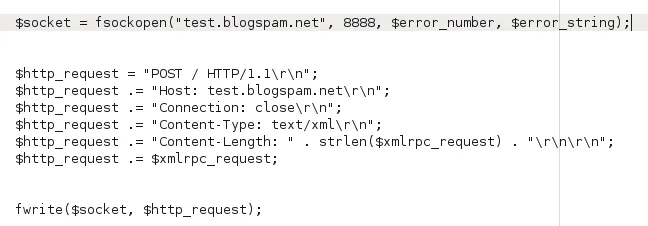
To prevent my blog from being spammed, I recently integrated a spam filtering service. The service is offered by blogspam (dot) net, it's entirely open source a...
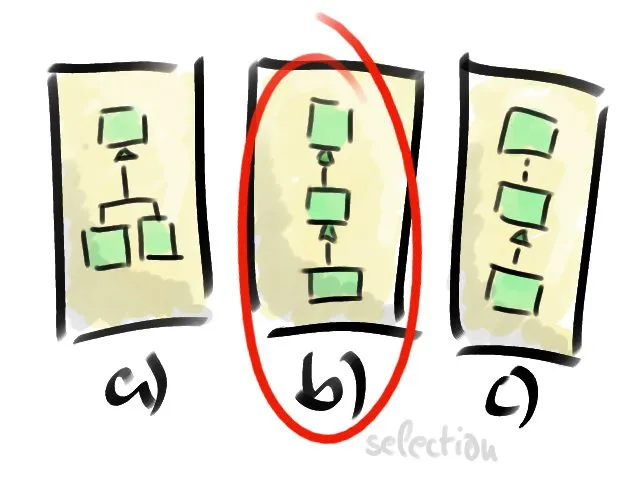
Here are some impressions from my last term at university. I participated in a course called eLearning. The goal was to teach us how to develop eLearning produc...
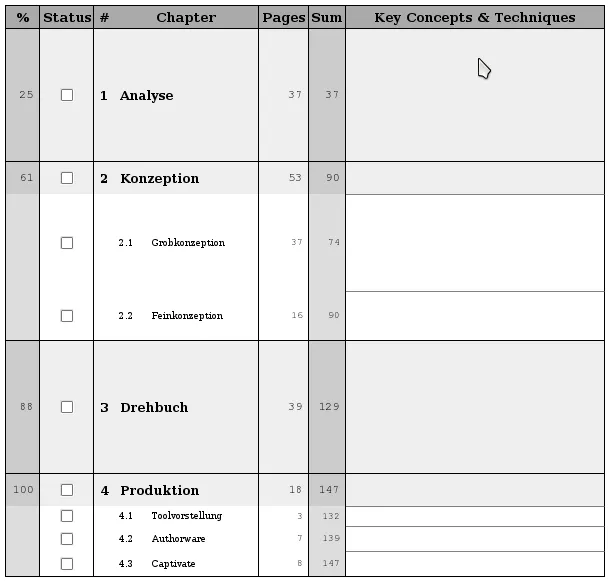
Ein strukturiertes System zur Organisation von Prüfungsvorbereitungen mit XML-basierten Lernplänen und automatischer Fortschrittsberechnung.
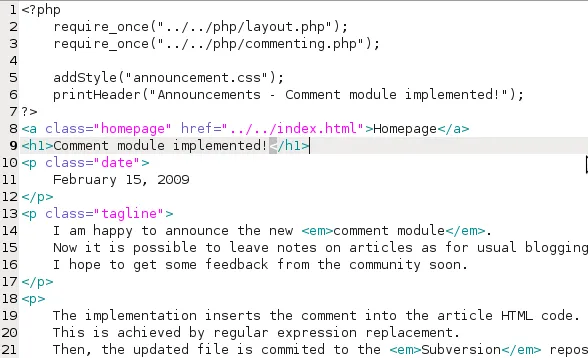
In this article I describe how this website is created. You get a good insight into the techniques and technologies used. And maybe you get good ideas for your ...
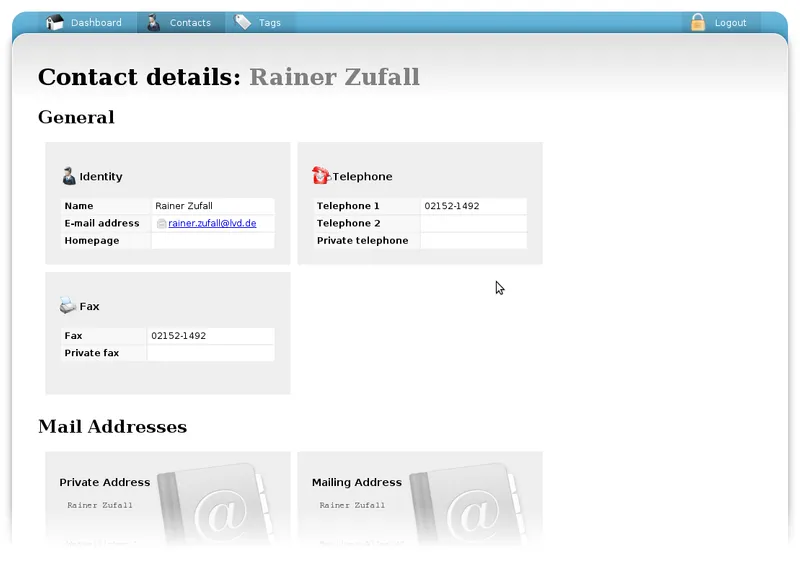
This term I participated in the lab for Entrepreneurship and New Media. The students were split into groups and assigned to an industry partner. Then, a softwar...
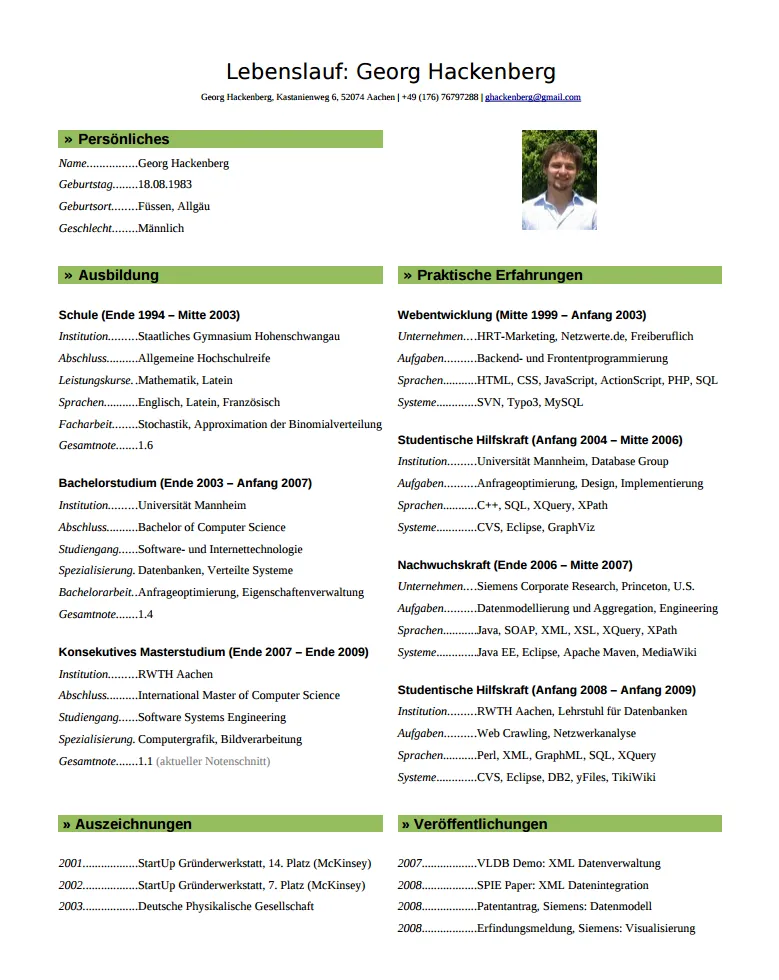
For those, who are interested in my career, here is my current resume. Unfortunatelly, for now I only have a German version. The updated English version will fo...
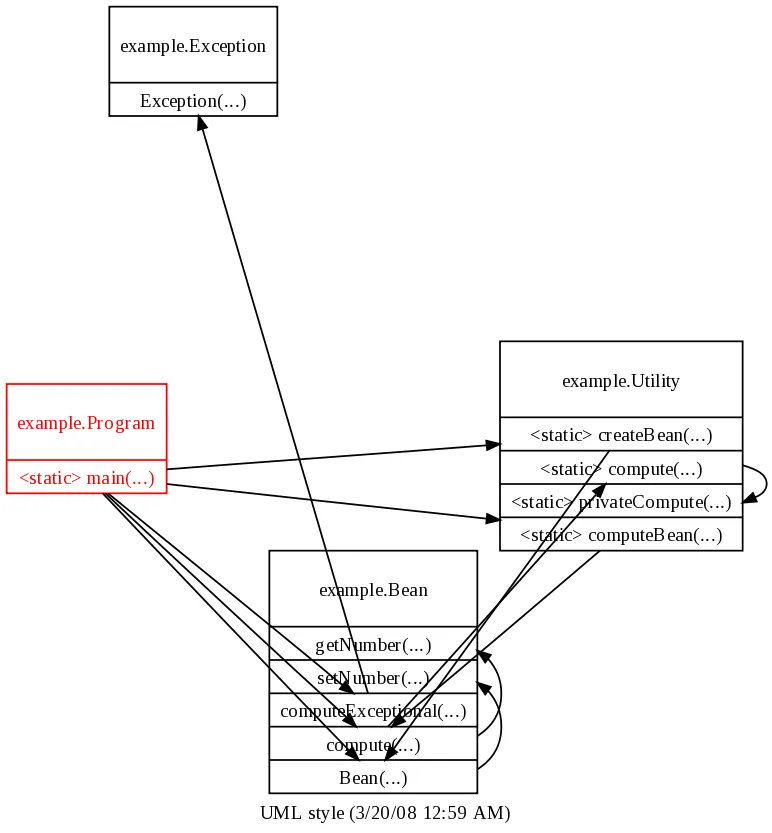
Two years ago, I started a project called SoftRay at Siemens Corporate Research in Princeton. The tool generates UML diagrams from running Java programs. It's q...
Hey everyone! I am happy, you made it to this site :). It is my first try to get something up and running. So I hope, you'll like it. I'll try my best to get so...
Full control over your data and local preferences
Highlights new and unread content with subtle indicator dots and ensures varied rotation for the homepage gallery across visits. Stored strictly locally in your browser (localStorage). No data is ever transmitted to a server.
We use an EU-hosted instance of Plausible Analytics for privacy-friendly audience measurement. No cookies are set, no IP addresses are stored, and no cross-site tracking takes place.
Recent articles, research papers, presentations, courses, and interactive tools.