Technical Overview
Software engineering addresses the systematic design, implementation, verification, and operation of robust enterprise software systems. Emphasizing deterministic architectures, modular system decomposition, and compile-time correctness, this discipline translates business requirements into scalable, maintainable production software.
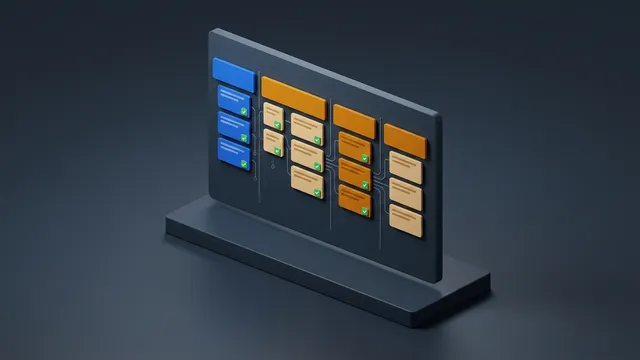
Modern software systems require high operational reliability, readable and testable codebases, and automated delivery pipelines. The engineering practice is structured into seven composable modules covering the full software engineering lifecycle:
Composable Modules
- Requirements Engineering: Rigorous elicitation, domain analysis, formal specification, and validation of functional and non-functional system constraints.
- Software Architecture: Domain-driven architectural design, modular decomposition, bounded contexts, and system-level trade-off analysis.
- Software Construction: High-discipline implementation adhering to clean code standards, strict type systems, and maintainable design patterns.
- System Integration: Contract-first API engineering (OpenAPI, gRPC), event-driven messaging, and resilient external system connectors.
- Quality Assurance: Comprehensive test automation hierarchies across unit, integration, end-to-end, and automated regression suites.
- Release Engineering: Immutable container packaging, automated CI/CD pipelines, automated schema migrations, and zero-downtime deployment strategies.
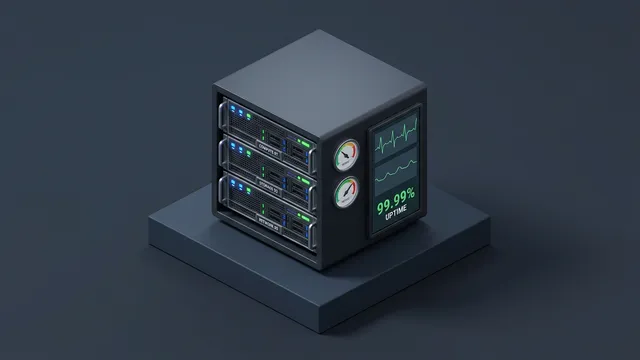
- Cloud Operations: Infrastructure as Code, distributed observability, telemetry instrumentation (OpenTelemetry), and production incident runbooks.
Guiding Principles
- Domain-Driven Clarity: Decomposing complex enterprise domains into explicit bounded contexts and robust domain primitives.
- Strict Type Safety: Enforcing end-to-end type contracts across service boundaries and compile-time invariants to prevent runtime defects.
- Automated Verification: Embedding continuous test automation, contract validation, and static analysis into the developer feedback loop.
- Continuous Delivery: Building reproducible, immutable deployment pipelines with automated migration gates and zero-downtime releases.